The Influencer Echo Chamber: Why Your Eco-Product Research Needs a Reality Check
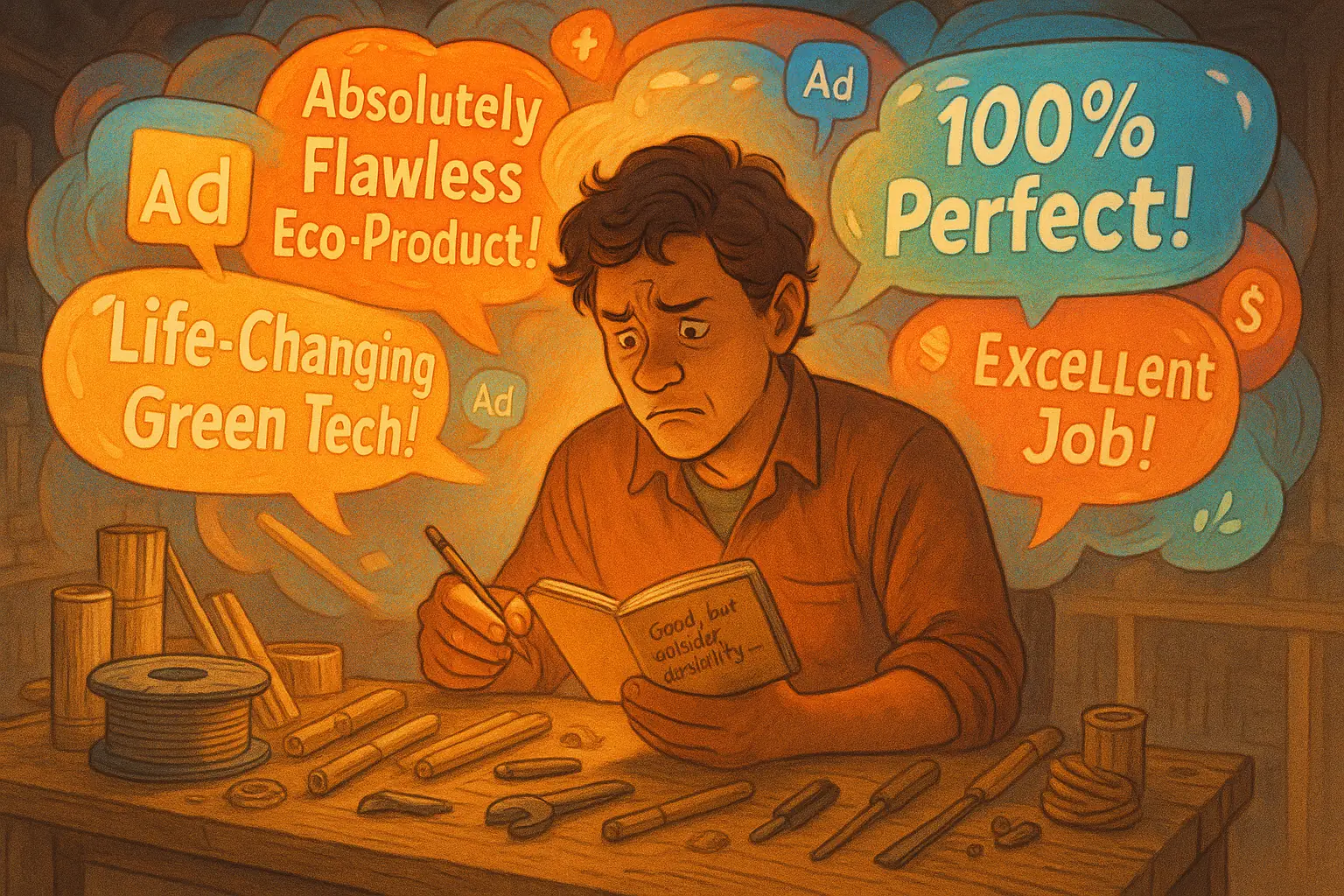
Ever felt that "eco-friendly" product review sounded a bit too perfect? A little too polished? Many online praises for sustainable products often feel this way. In the world of sustainable making, separating genuine insights from marketing hype presents a real challenge. Makers constantly grapple with discerning authentic recommendations.
Let's uncover an unspoken truth about influencer marketing. Financial incentives frequently shape online content. Sponsored posts and affiliate links can powerfully skew opinions, a factor many makers might not fully consider. While not every sponsored review is intentionally misleading, a strong incentive for positive portrayal exists. This pressure sometimes buries less favorable, yet honest, user experiences.
This resource serves as your critical guide. Our extensive analysis of community discussions provides practical tools. You can learn to detect bias in reviews. Finding genuinely honest opinions is vital for your workshop and your wallet. Our goal is empowering you to make informed sustainable choices, not to criticize influencers broadly.
Spotting the 'Green Glow': Red Flags of Biased Eco-Product Reviews (UGC Insights)

Certain review patterns signal bias. Makers know this. Our UGC analysis shows makers identify consistent signals in questionable eco-product reviews. These red flags help you spot content lacking genuine, hands-on testing. Trustworthy information is vital.
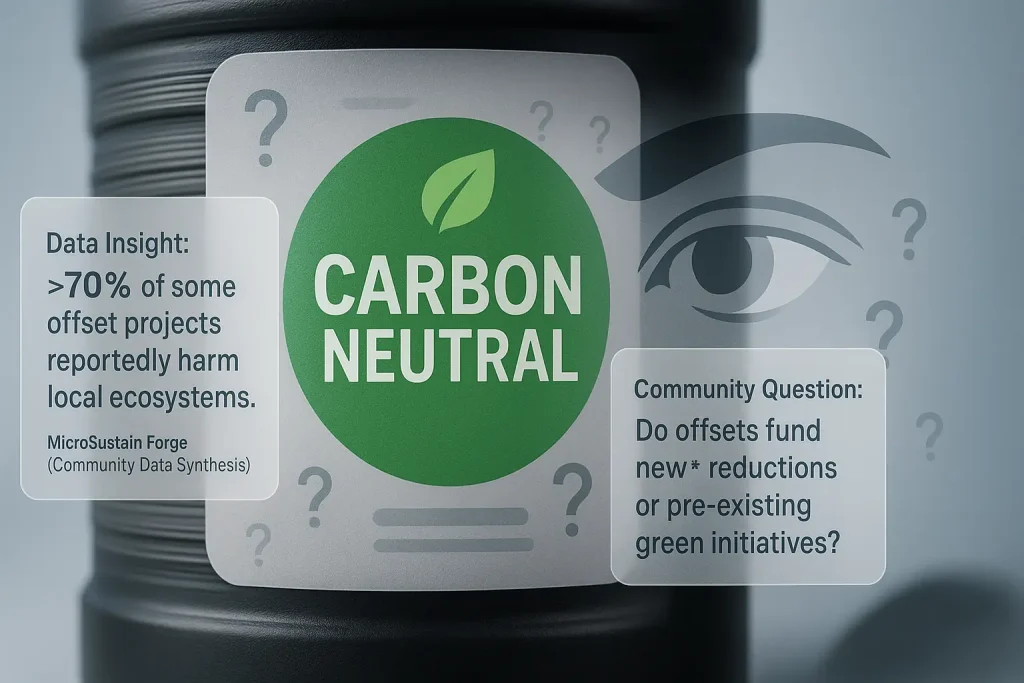
- Vague Sustainability Claims: The review gushes about a "super eco" material. It never explains how or why. Makers want facts: recycled content percentage, compostability details, VOC levels. A claim like "This filament is just so green!" without backing raises suspicion. Real users provide the data.
- Unwavering Positivity: The product solves every problem. It has zero downsides. Experienced makers find this unrealistic. Their projects hit snags. Their materials sometimes fail. A review without any cons often feels like an advertisement.
- Shallow Testing Evidence: The review shows perfect prints. Or flawless wood finishes. It lacks any detail about process, settings, or troubleshooting. Real making involves trial and error. Makers share their struggles and solutions. Glossy perfection often hides a lack of deep use.
- Missing Disclosure: A glowing review appears. It heavily promotes one brand. No mention of sponsorship exists. No affiliate link is declared. Makers value transparency. Hidden incentives erode trust quickly.
Some reviews paint an impossibly perfect picture. This product is the ultimate solution. No learning curve. No material quirks. Experienced makers recognize this immediately. Real-world use always uncovers limitations or specific best-use cases. An overly flawless portrayal often means the reviewer skipped rigorous testing. Or they have other motives.
Disclosure matters immensely. Sponsored content itself is not inherently bad. Affiliate links can support creators. The problem? Hidden relationships. Makers expect honesty about potential influences on a review's objectivity. Undisclosed connections are a significant red flag for biased information. Transparency builds community trust.
Interactive Tool: Your Eco-Review Bias Detector
Assess Review Bias: A Quick Check
Use this tool to quickly identify potential red flags in eco-product reviews, based on patterns observed in the maker community.
Your Bias Assessment:
You just used our Bias Detector. Your discernment sharpens. You now spot potential greenwashing more effectively. This skill is vital. Apply this critical lens to every eco-product review you read. Question bold statements. Seek transparent data. Your thoughtful choices help forge a truly sustainable path for makers.
Beyond the Hype: Where to Find Genuinely Honest Eco-Product Opinions (Community Goldmines)
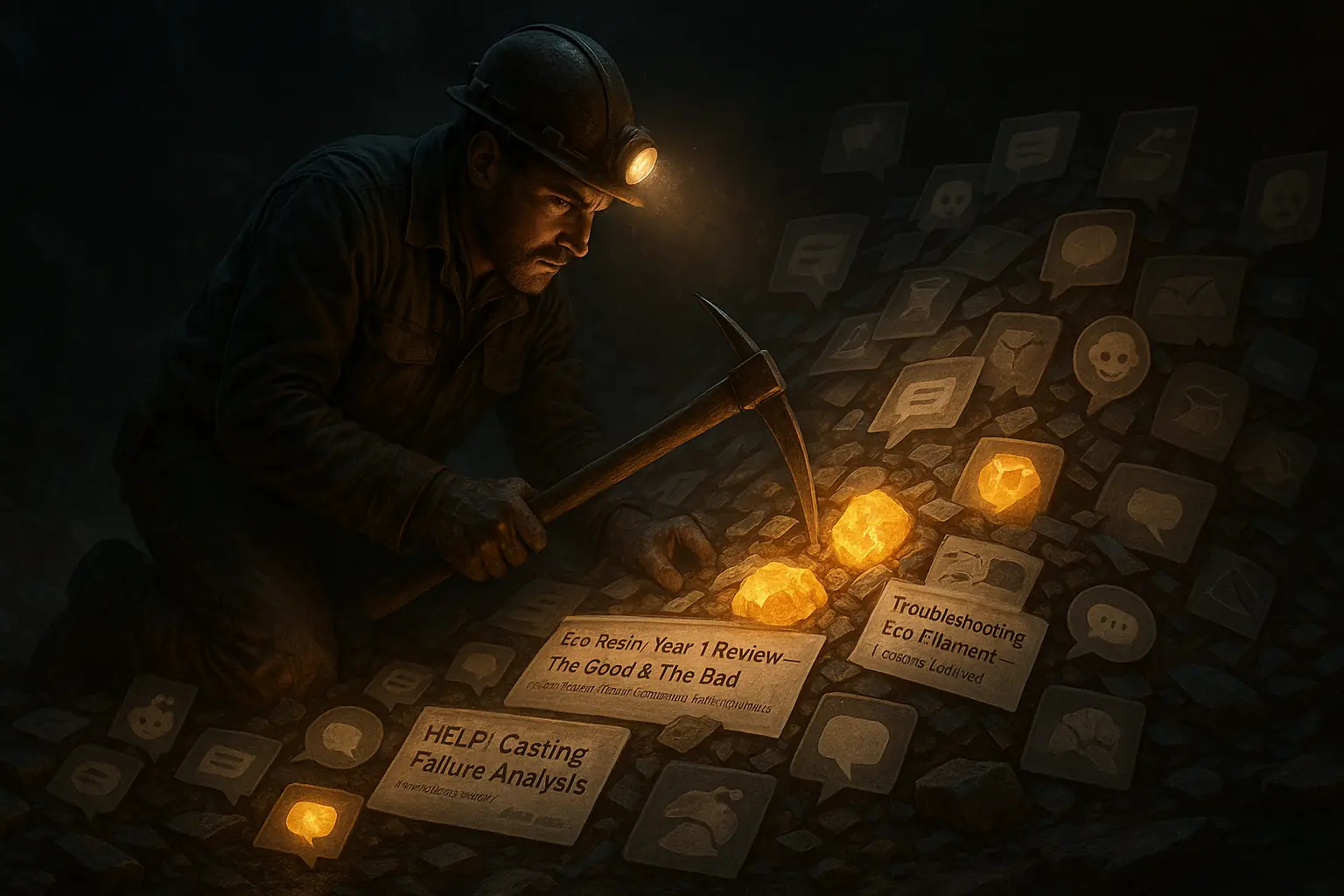
Forget the endless search for unbiased eco-product reviews. We've found the motherlode. Maker communities themselves are genuine goldmines for unfiltered feedback. Think Reddit subreddits, niche craft forums, and dedicated independent maker blogs. These places buzz with real-world experiences from fellow creators.
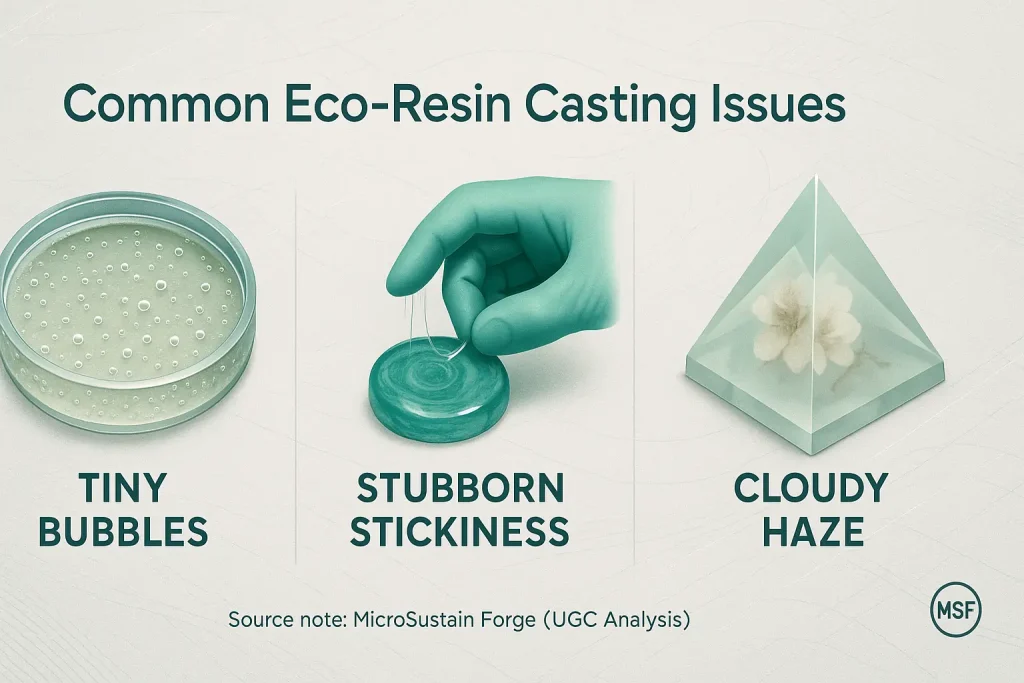
How do you spot the true sages in these bustling digital workshops? Look for makers consistently sharing the whole journey. They post detailed accounts of projects, warts and all, not just polished final products. You'll often spot these gems in a Reddit thread where someone details their year-long experience with an eco-resin, complete with photos of both perfect casts and frustrating failures. That's the authentic insight we all crave. Their long-term contributions build immense trust.
The real treasure? It's often hidden in plain sight within these community spaces. Troubleshooting threads and "failure" posts are invaluable. These discussions cut straight to a product's actual performance under real-world conditions. Makers there candidly reveal limitations and unexpected challenges that marketing materials conveniently omit. This is where you find the hard truths, the unspoken details essential for your projects.
Now, it's your turn to add to this incredible resource. Your experiences with sustainable materials and practices are crucial. Sharing your project successes, and even the valuable lessons learned from missteps, strengthens everyone. This collective wisdom empowers the entire maker community. Let's build this knowledge base together, one honest share at a time.
Forging Your Own Path: Making Informed Eco-Choices
Makers now possess sharper tools. These help navigate confusing eco-claims. Genuinely sustainable choices require this critical evaluation. Real-world experiences from other makers provide the clearest views. You forge personal knowledge this way. True discernment.
Now, put this insight into practice. Your informed decisions make a difference. Share your own sustainable findings with the wider community. MicroSustain Forge remains your dedicated partner, empowering your eco-conscious making. We are your forge for community wisdom. A trusted guide.