Natural Dyes: The Promise of Color, The Reality of Fade
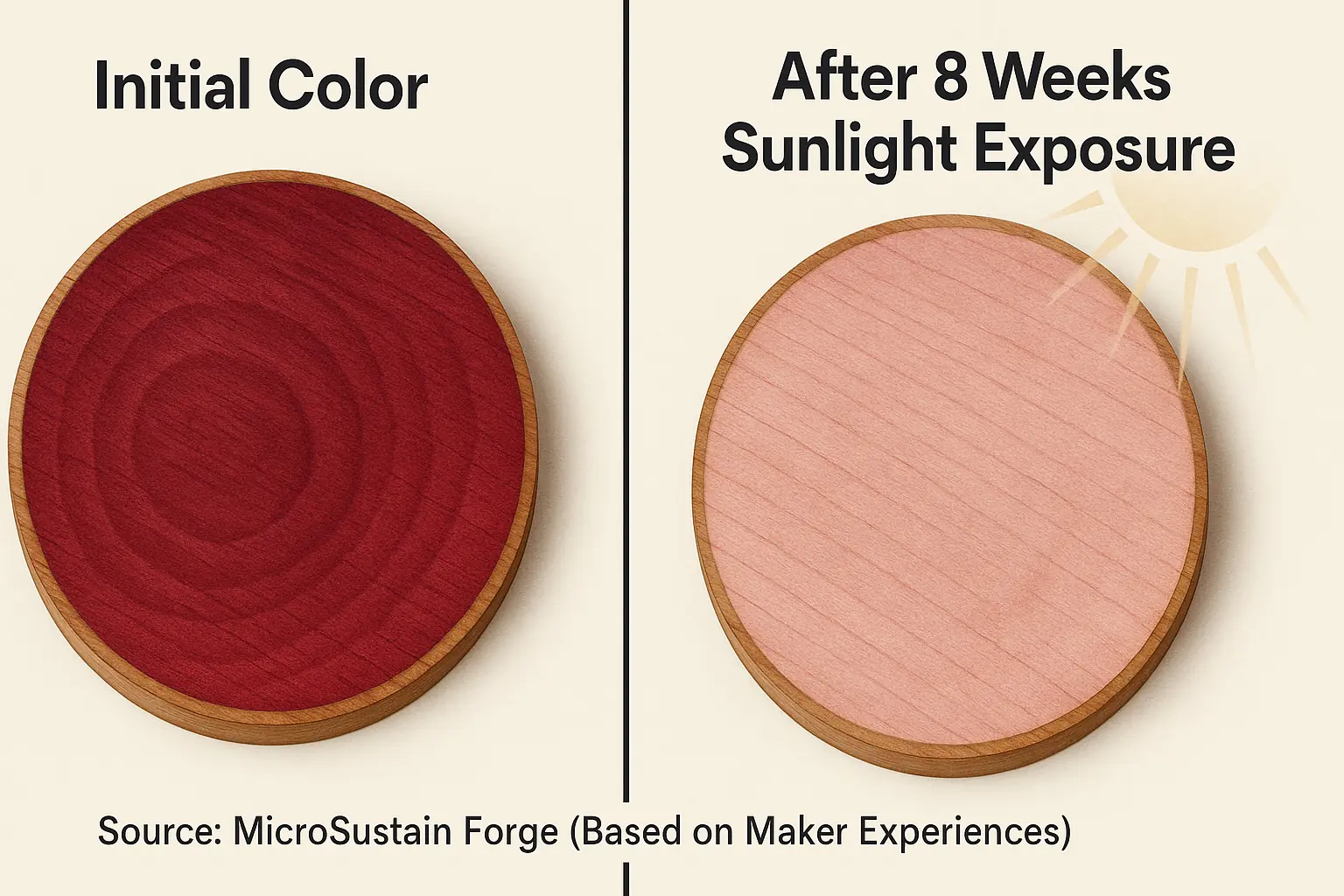
Imagine your vibrant berry-dyed coaster. Sun bleaches its stunning color. Heartbreak. This is natural dye fading. Natural wood dyes offer uniquely beautiful shades. Their earth-drawn vibrancy captivates many makers. Yet, their impermanence without careful treatment presents a major challenge.
Countless makers explore natural dyeing. They anticipate deep, enduring colors. Unexpected fading often shatters these hopes. This experience is common. It is not a personal failure. It is an unspoken truth about natural pigments. These materials demand specific understanding for lasting results.
How can you protect that hard-won color? We sifted through extensive user discussions. Our synthesis reveals what truly works. Makers have found reliable ways. These methods lock in those cherished natural hues. This guide details these community-tested solutions.
The Science of Fading: Why Your Natural Wood Dyes Lose Their Pop
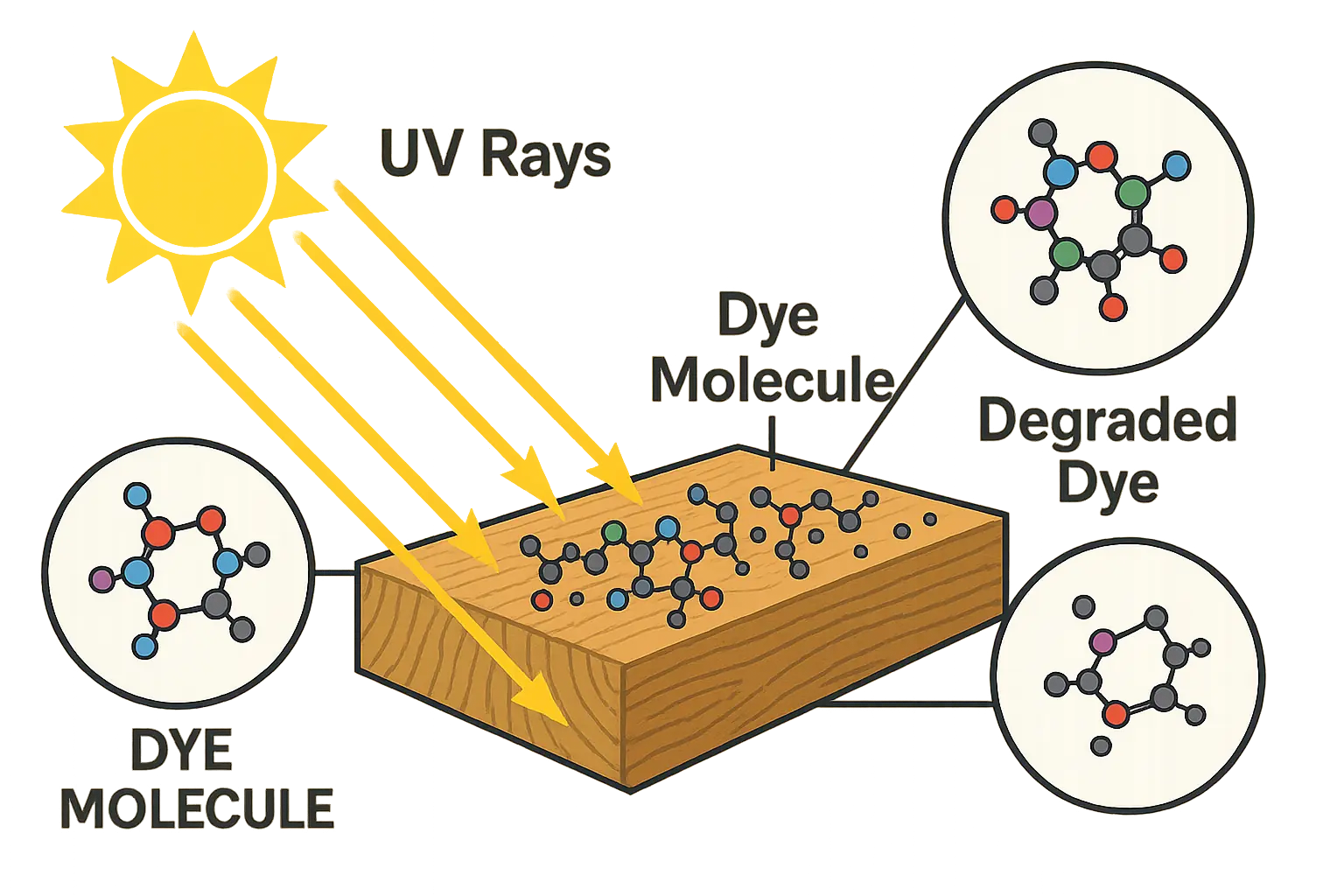
Natural dye fading isn't random. It's chemistry at work. Ultraviolet (UV) light acts as the primary antagonist. This light energy relentlessly breaks down dye molecules within the wood. Makers consistently observe this degradation. Pieces exposed to sunlight lose vibrancy much faster.
Other factors accelerate color loss. Improper mordant use is a frequent issue found in community discussions. Mordants help dye molecules bond securely with wood fibers. Without strong bonds, dyes merely sit on the surface. They can then leach out with moisture or simply rub off. This explains why some DIY projects fade unevenly.
Pigment stability also plays a crucial role. Some natural pigments are inherently less lightfast. They are, by nature, fugitive. For example, many berry-based dyes, while beautiful initially, are notorious for quick fading. This is a common frustration shared across maker forums. The original brilliant hue vanishes surprisingly fast.
Surface abrasion contributes to fading too. Simple handling or routine cleaning can physically remove unsealed or poorly bonded dye particles. This is an unspoken truth many makers discover the hard way. Our UGC analysis reveals countless reports of items near sunny windows fading dramatically. Conversely, pieces in darker spots retain color far longer. The difference is stark.
Locking in Color: DIY Mordants & Fixative Recipes That Actually Work (UGC Verified)
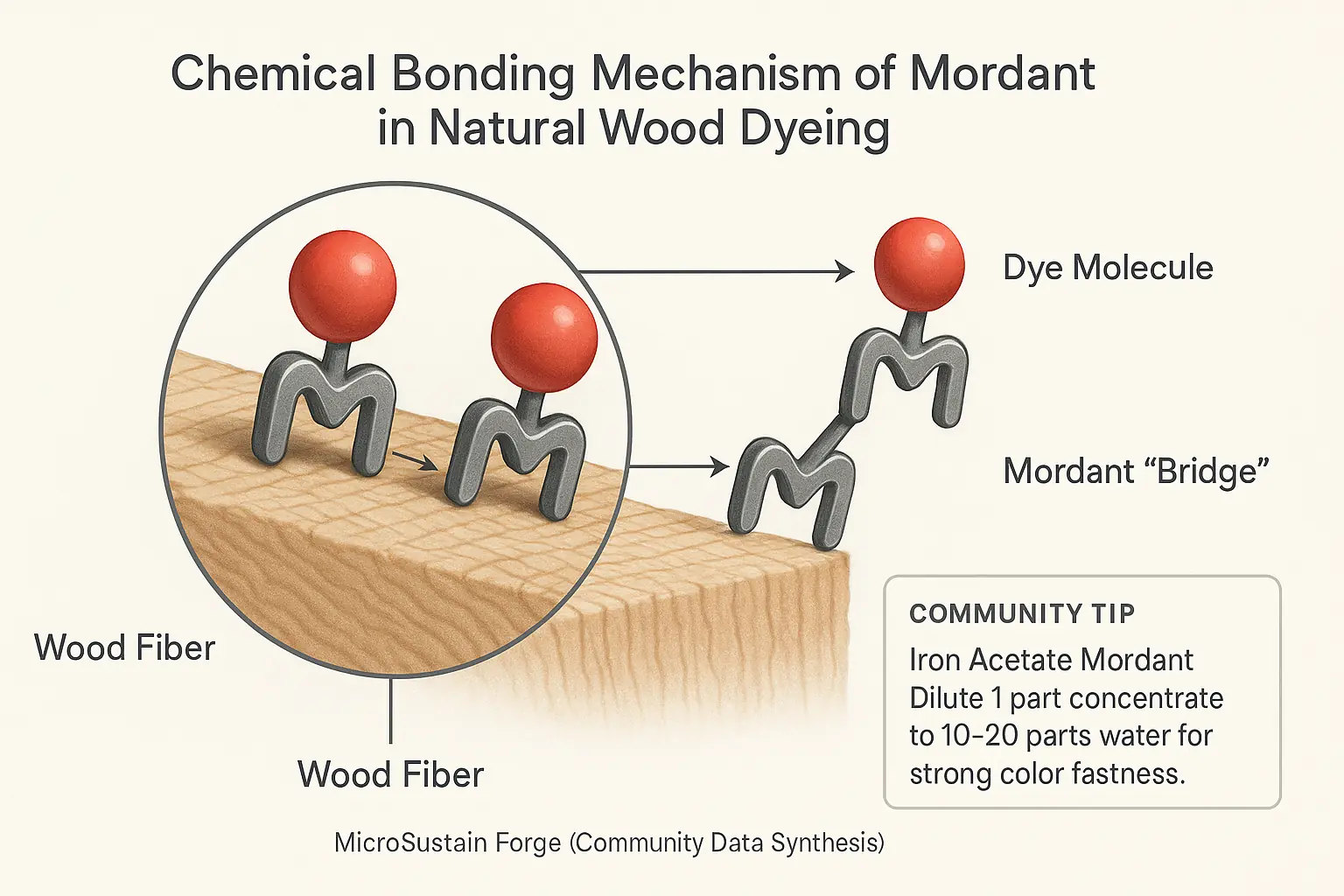
Mordants are vital for lasting natural dye projects. They create a chemical bridge. This bridge securely links dye molecules to wood fibers. Many makers skip this step. Our community data confirms mordanting dramatically improves color permanence. It is a game-changer.
Iron acetate, or rust vinegar, is a widely used DIY mordant. Makers report it significantly darkens many natural dyes. It also fixes these colors effectively. Our research into community experiences shows makers rave about how a simple iron acetate solution transformed their weak berry dye into a rich, permanent hue. Ready to make your own?
- Place oil-free steel wool into a glass jar. Add white vinegar to cover the steel wool.
- Rest the lid loosely on the jar. This allows gases to escape during the reaction.
- Let the mixture sit for several days up to two weeks. The liquid will darken as the iron dissolves.
- Strain the resulting iron acetate solution. Use a coffee filter or fine cloth for clarity.
- Dilute this concentrate with water before use. A common starting ratio is 1 part iron acetate to 10-20 parts water. Always test your specific ratio.
Safety first. Always wear gloves and eye protection when handling iron acetate. Ensure your workspace has good ventilation. Clearly label your mordant container. Keep it away from children and pets.
Alum, specifically potassium aluminum sulfate, offers another mordanting option. Community experiences indicate alum can brighten certain natural dye colors. It also assists the dye's bond with wood fibers. For woods naturally low in tannins, a tannin pre-treatment boosts dye absorption. You can brew strong black tea. Apply this tea wash to the wood. Let it dry completely before mordanting or dyeing. This simple addition often enhances final color depth. For an alum mordant:
- Dissolve approximately 1-2 teaspoons of alum powder in one cup of warm water. Stir until fully dissolved.
- Apply this alum solution evenly to your wood surface. Allow the wood to dry thoroughly before dyeing.
- Alternatively, for deeper penetration, you can gently simmer the wood in the alum solution for about an hour. Let it cool in the solution.
Handle alum powder carefully. Wear gloves. Avoid inhaling the fine powder. While generally less harsh than some metallic mordants, caution remains important.
These mordant recipes are rooted in shared maker experiences. Our extensive community data mining highlights their practical success. However, results can vary. Always test your mordant and dye combination on a scrap piece of identical wood first. This preliminary test confirms your color outcome. It also verifies the dye's fastness. What works beautifully for one project might need slight tweaks for another. Smart testing saves materials. It ensures your satisfaction.
Don't Guess, Test! Simple DIY Methods for Evaluating Natural Dye Longevity (UGC Insights)
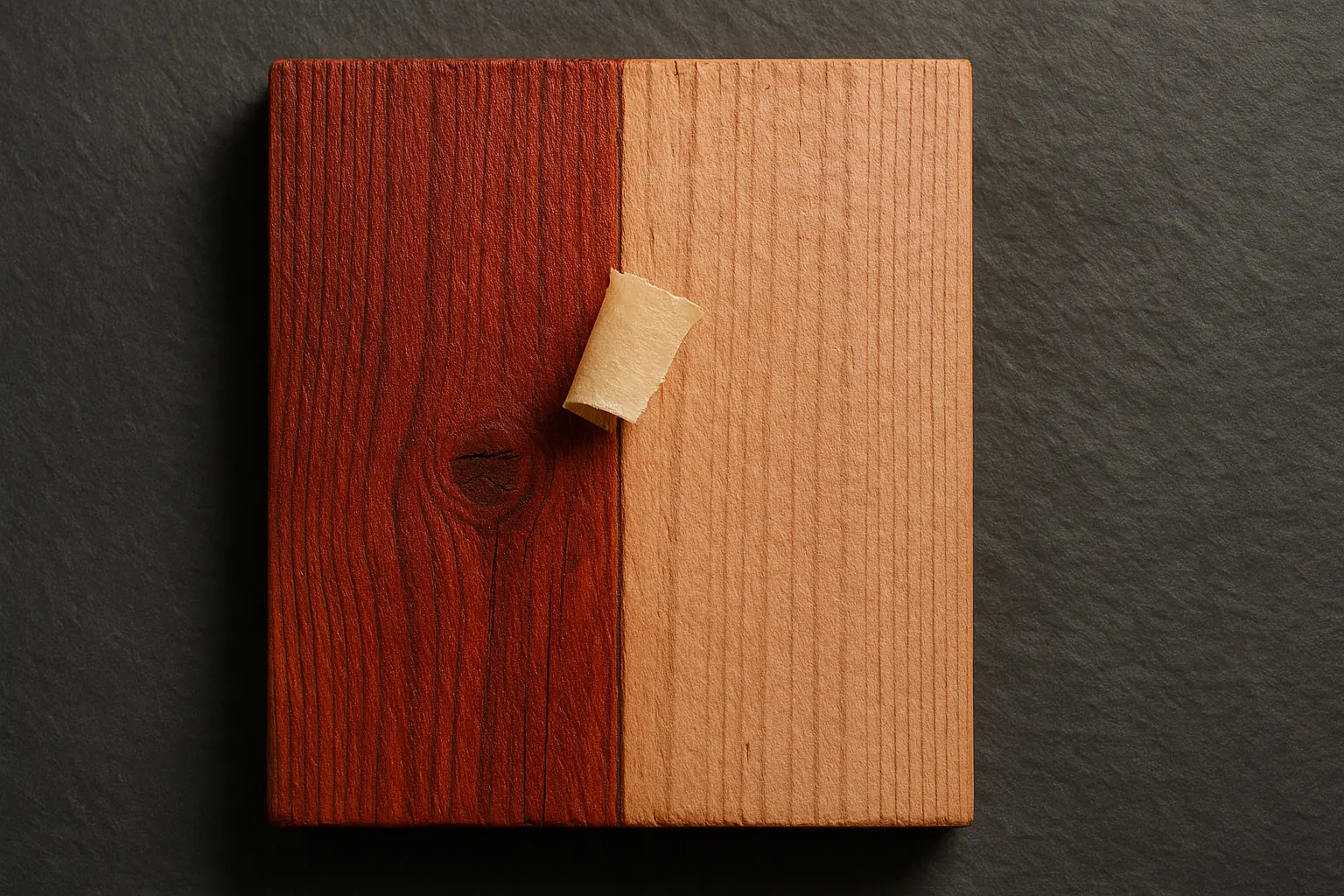
Think your natural dye is set for life? Don't just hope. Test. Our UGC analysis reveals many makers learned this lesson painfully. A small test swatch on scrap wood, placed in a sunny window, often prevents disaster. This simple step can save weeks of heartache on a larger project.
The sunlight test specifically evaluates UV resistance. Prepare two identical dyed wood samples. Keep one sample in a dark place as your control. Place the other sample in direct, consistent sunlight for several weeks. Comparing the exposed sample to the control clearly shows potential fading or color shifts over time. Some dyes hold. Others fade fast.
A rub-off test checks dye fixation. Once your test swatch is fully dry, vigorously rub it with a clean, white cloth. Does color transfer easily? Significant color transfer indicates poor dye penetration or insufficient curing. Minimal transfer suggests better durability. These simple community-shared tests are your best defense against future disappointment with natural dyes.
The Final Shield: Eco-Friendly Topcoats to Protect Your Naturally Dyed Wood (UGC Approved)
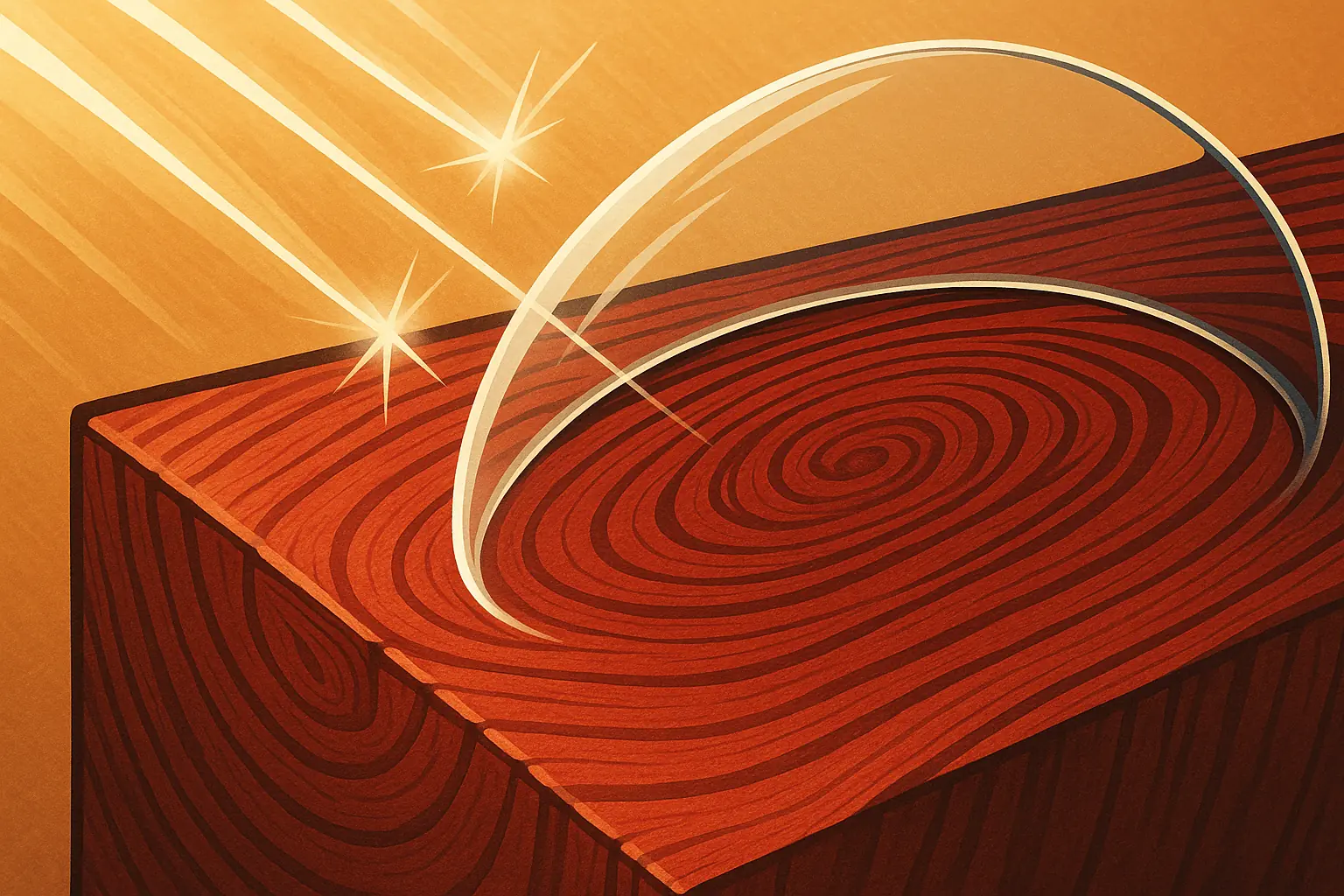
Your naturally dyed wood needs a final shield. A topcoat is that crucial defense. It protects your vibrant color from fading. It guards against daily wear and tear. This clear layer acts like invisible armor for your hard work.
Eco-friendly topcoats offer strong protection. Natural oils penetrate deeply. Waxes create a breathable surface barrier. Water-based polyurethanes provide excellent wear resistance. These finishes defend against UV damage. They also resist abrasion. Our UGC analysis shows makers achieve great results with multiple thin coats of hardwax oil. This method delivers robust protection without obscuring the dye's beauty. Proper application is key for lasting results.
Here's something makers learn. Natural dyes can still shift subtly over time. This occurs even with a quality topcoat. This gentle color evolution is not a flaw. It is part of the natural dye's unique character. Many craftspeople appreciate this living aspect. The wood develops a richer, more personal story.
Your chosen finish requires some maintenance. Periodic reapplication extends the wood's life. When should you re-coat? User experiences suggest checking the finish annually. A light re-oiling or a fresh wax coat often renews protection. This simple step keeps your naturally dyed projects looking their best.
Natural Dye Mordant & Fixative Info: Find Your Perfect Match (UGC Insights)
Which Mordant for Your Natural Dye?
Select your natural dye source to see recommended mordants and expected color effects, based on community experiences.
Our tool simplifies mordant selection for your natural dye projects. It distills community wisdom into clear, actionable pairings.
Natural dyeing involves delightful discovery. Use these community insights as your starting point. Your own tests on specific woods will reveal unique color magic.
Embrace the Natural Beauty: Making Your Eco-Dyed Wood Last
Lasting natural wood colors? Achievable. Many makers prove this daily. This craft requires some know-how. Mordants play a vital role. Proper application ensures even color. A protective topcoat is your final ally. These elements together create enduring beauty.
Natural dyes offer a unique aesthetic. Their hues can gently evolve over time. Many makers cherish this living beauty. It’s a visual story of nature’s touch. A flaw? No. It’s a celebrated characteristic, reflecting the dye's organic origins.
We encourage you to experiment boldly. Share your discoveries with fellow makers. Every shared experience enriches the community’s knowledge. MicroSustain Forge champions this collective learning. Your sustainable path inspires.