Why Every Millimeter Matters: Understanding Eco-Filament Dimensional Accuracy
Prints sometimes fail. Parts just do not fit. Ever printed a component that stubbornly refused to snap together, or left a frustrating, visible gap? This common issue is more than annoying; it can derail entire eco-projects. It also wastes precious sustainable material. Eco-filaments, many makers discover, often introduce unique dimensional challenges, impacting final print accuracy.
Dimensional accuracy is truly vital. This holds especially true when working with eco-materials. Precision directly impacts part fitment and overall functionality. It also significantly affects the final aesthetic quality of your prints. Most importantly for sustainable making, accurate prints prevent needless material waste. Imagine a fellow maker, excited after a long eco-print, only to find the part is slightly too small. Hours of work and valuable eco-friendly filament become disappointing waste – a scenario many in the community unfortunately recognize.
This guide explores eco-filament dimensional accuracy. We will detail specific factors influencing it. We will also share community-proven calibration methods. MicroSustain Forge's extensive community data mining has uncovered how to nail those dimensions. We aim to help you turn that initial frustration into consistently functional, beautifully sustainable prints.
The Hidden Variables: What Really Affects Eco-Filament Print Dimensions?
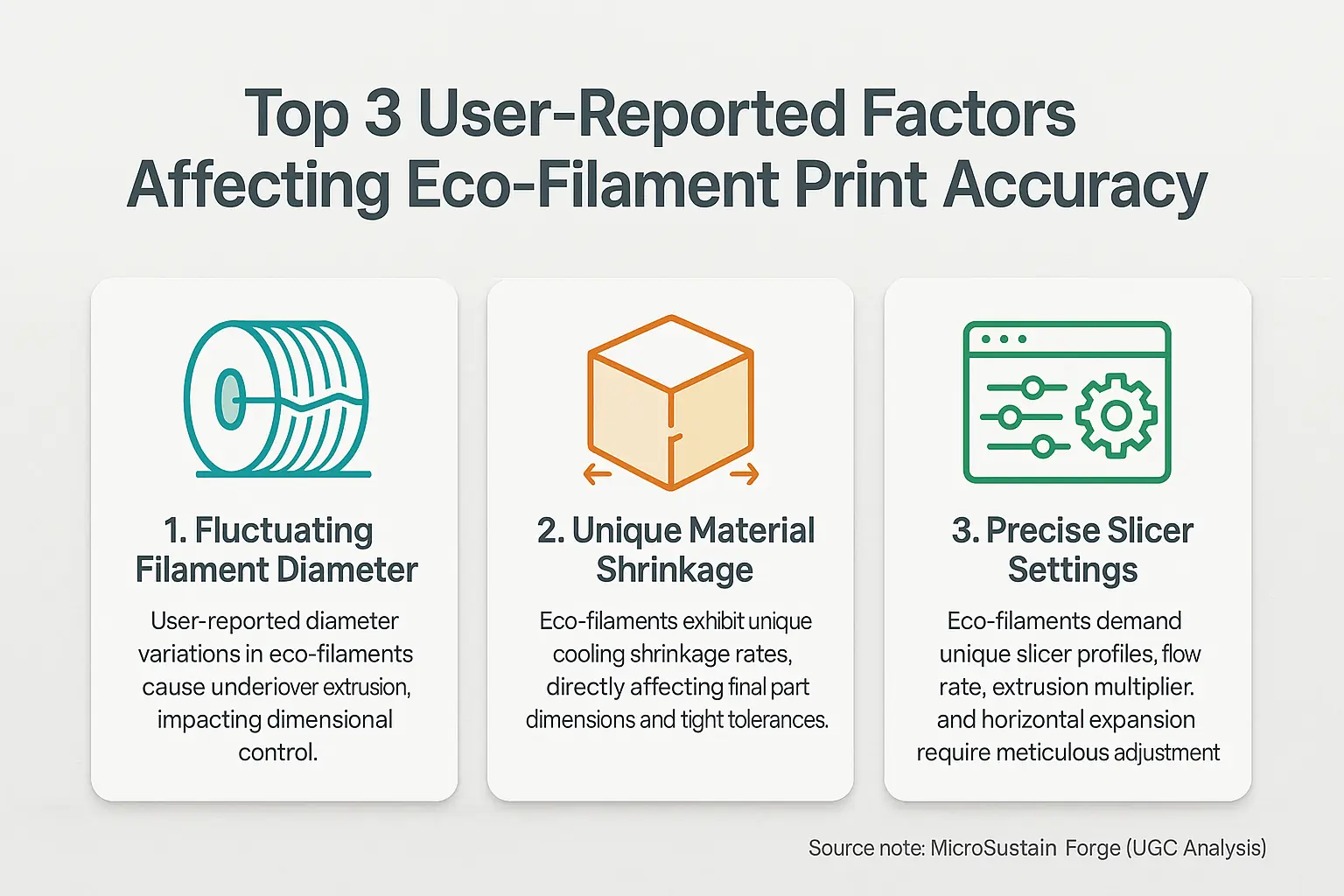
Filament diameter consistency critically influences extrusion accuracy. Collective maker experience highlights this point. Recycled eco-filaments, users find, often show diameter variations. Imagine a common scenario: your slicer settings appear flawless. Yet, prints exhibit frustrating under-extrusion or over-extrusion. The frequent culprit, as shared in forums? Fluctuating filament diameter – a subtle but impactful factor for dimensional control.
Eco-filaments possess unique shrinkage rates upon cooling. This characteristic directly affects final part dimensions. PLA, for instance, shrinks differently than PETG or certain bio-composites. Makers often discover this variability the hard way, especially with designs needing tight tolerances. The unspoken truth from the community: theoretical shrinkage values rarely match real-world print outcomes precisely.
Precise slicer settings are paramount for eco-filament dimensional accuracy. Flow rate requires meticulous adjustment. Extrusion multiplier settings often need specific tweaks. Horizontal expansion can compensate for material-specific behaviors. Our analysis of user discussions reveals eco-filaments frequently demand unique, sometimes counter-intuitive, slicer profiles. Many describe cycles of testing, then a breakthrough when dimensions finally align.
Printer mechanical integrity forms the foundation for precision. Belt tension must be correct. E-steps calibration ensures accurate material extrusion. A rigid printer frame prevents subtle, unwanted movements. Makers consistently report that eco-filaments amplify even minor mechanical issues. A seemingly insignificant loose belt, for example, can distort a carefully designed part beyond use.
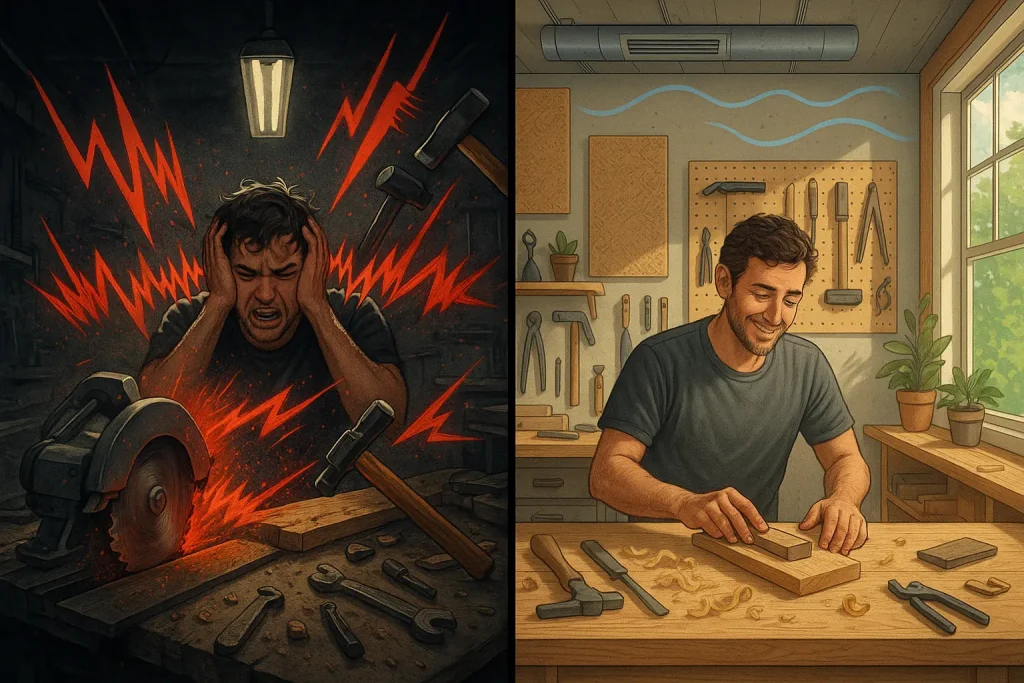
Ambient workshop temperature profoundly affects eco-filament prints. Drafts represent a significant, often underestimated, challenge. These environmental conditions alter cooling rates unpredictably. Dimensional accuracy consequently suffers, particularly with materials prone to warping. Countless makers share experiences of open windows or nearby fans ruining prints, especially with sensitive eco-plastics. These environmental factors are critical, yet frequently overlooked variables in achieving consistent results.
Forging Precision: Community-Proven Calibration Methods for Eco-Filaments
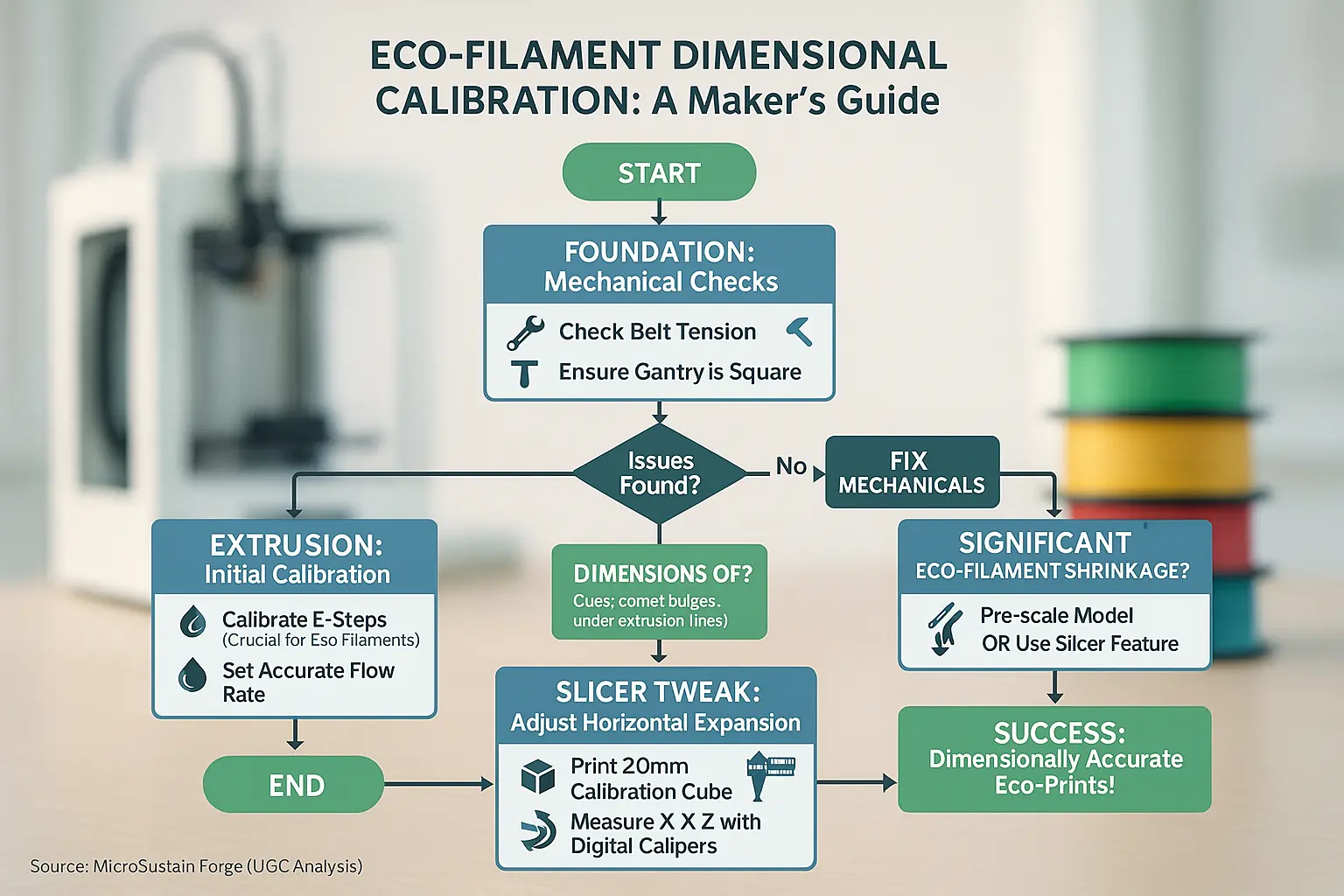
Eco-filaments often demand precise E-step calibration. Their material inconsistencies cause headaches. Imagine prints always too thin. Or frustratingly bloated. Many makers wrestled with this. They finally calibrated their extruder's E-steps. This single tweak unlocked consistent material flow. Accurate flow rate settings also refine extrusion for these unique filaments. Get these right first.
Calibration cubes pinpoint dimensional errors. Print a standard cube. Measure its X, Y, and Z dimensions carefully. Are your eco-filament parts slightly off? Your slicer’s horizontal expansion setting often needs adjusting. Community wisdom highlights subtle cues. Look for slight corner bulges. Note faint under-extrusion lines. These signs guide precise slicer tweaks for perfect fits.
Eco-filaments frequently shrink more than standard plastics. This challenges part accuracy. Experienced makers often pre-scale models slightly before slicing. Some slicers offer specific shrinkage compensation features. These tools prove invaluable with new composites or recycled material blends. Mastering shrinkage compensation is an art. It ensures your printed components actually fit together. This step separates good prints from great ones.
Software settings cannot fix mechanical issues. Your printer needs a solid foundation. Check belt tension regularly. Loose belts ruin dimensional accuracy. Confirm your gantry is square. A wobbly frame guarantees print failures. These quick physical inspections save hours of troubleshooting. Solid mechanics underpin all precise eco-printing.
Quick Check: Your Eco-Filament Dimensional Accuracy Factor
Wondering why your eco-prints aren't perfectly precise? This quick check helps pinpoint the most likely culprits based on common maker experiences. Answer 'Yes' or 'No'.
Your Accuracy Insights:
Eco-filament accuracy demands patience. Think of it as a craft. Small adjustments from the tool often yield significant results. Many makers, once frustrated, found success. Imagine one user, completely lost with loose prints. They applied just two calibration tips from community discussions. Suddenly, their eco-parts achieved perfect fitment. This is about persistence. It's not magic.
So, keep iterating. Experiment with the calibration methods discussed here. The 'best' settings truly depend on your specific printer model and even filament batches. Your workshop environment also plays a crucial role. MicroSustain Forge exists to help you forge your own path to print precision. We bring collective maker wisdom directly to your bench. What breakthroughs have you had? Share them with the community.
Forging Ahead: Your Path to Precise Eco-Prints
Eco-filament accuracy challenges many makers. Precision remains achievable. Understanding influencing factors empowers your control over prints. Community-proven calibration transforms potential misprints into perfectly fitting sustainable creations. MicroSustain Forge provides these practical solutions.
Apply these community-driven methods in your workshop. Go forth and forge those perfectly precise eco-prints, and don't forget to share your breakthroughs with the community! Your experiences build our collective knowledge. Every shared success advances the sustainable making movement, empowering everyone.