Why DIY Eco Wood Preservatives? Unpacking the Maker's Quest for Natural Protection
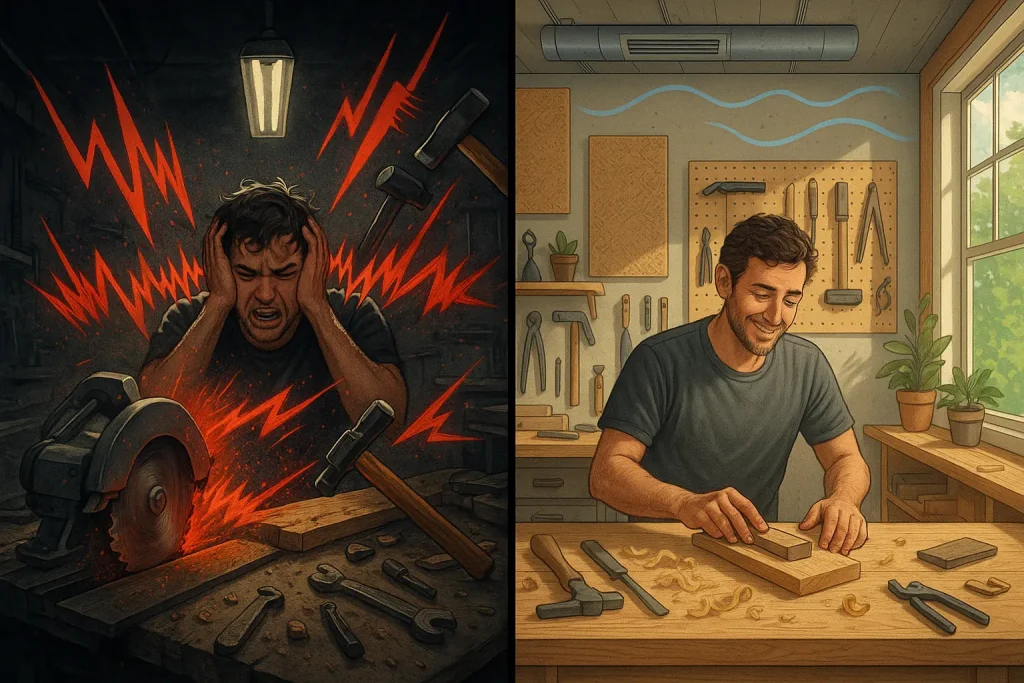
Makers increasingly seek natural wood protection. Why? Commercial preservatives often raise health concerns. Green marketing claims frequently meet maker skepticism. Online forums buzz with this search for safer alternatives. People want genuinely non-toxic options for their projects and peace of mind. They demand real eco-friendly choices, not just labels.
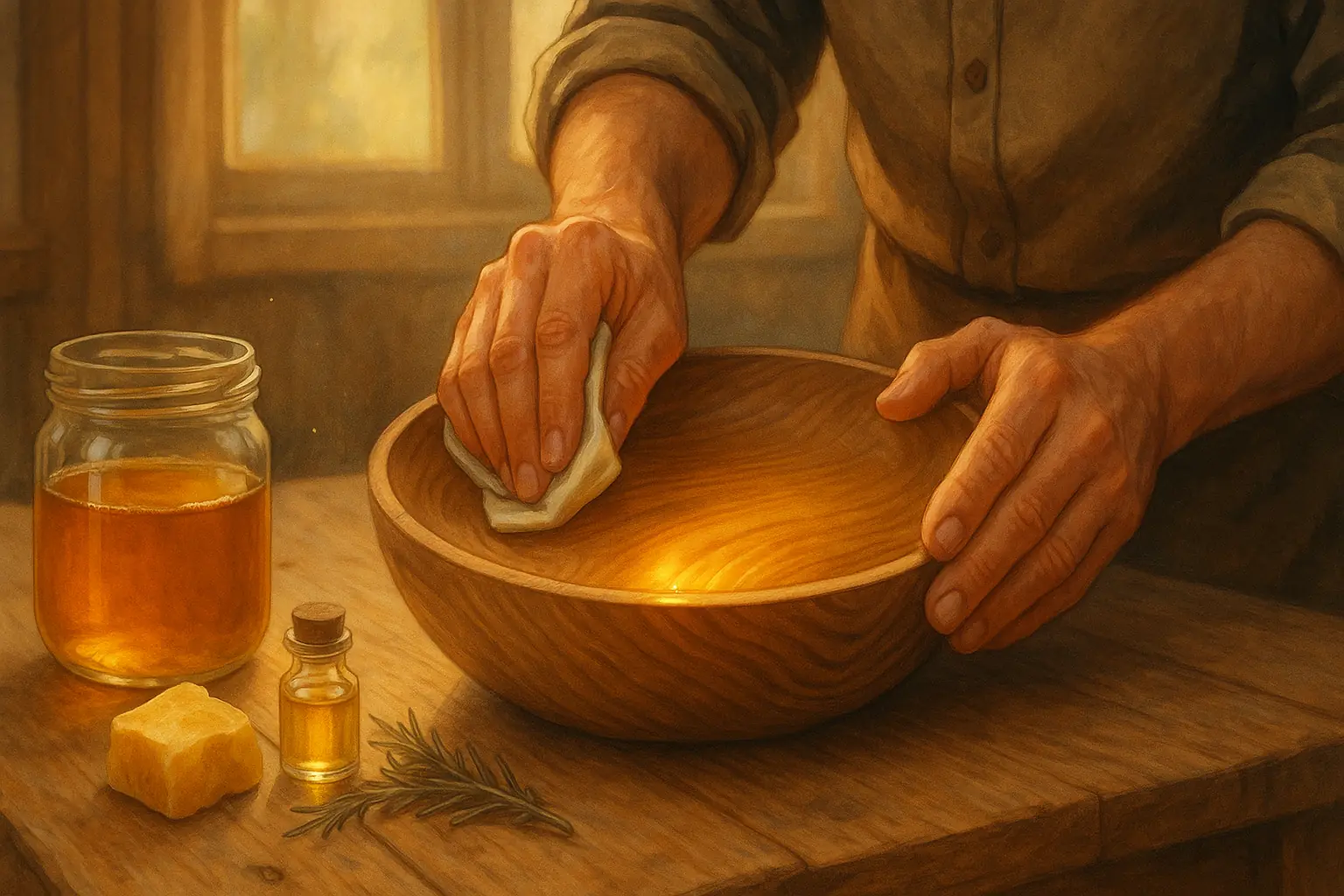
DIY methods offer makers profound control. You choose every single ingredient. This power aligns directly with core sustainable making values. There's deep satisfaction in crafting your own protective solutions. The maker community constantly shares these recipes. They refine them together, based on real-world trials.
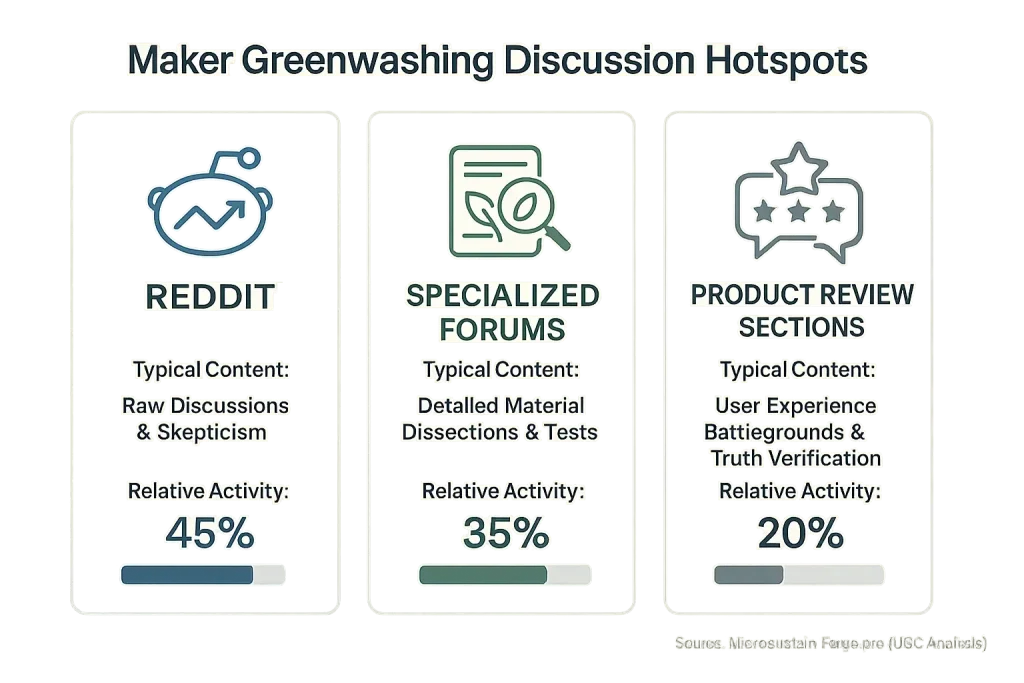
The DIY preservative appeal is undeniably strong. But which recipes actually protect wood effectively? Countless methods get shared across maker communities. Some are pure workshop folklore. Others? Solid, proven solutions. MicroSustain Forge acts as your BS-filter in this space. Our analysis of aggregated user experiences cuts through wishful thinking. This resource delivers the community-forged truth on what truly protects your wood projects.
Popular DIY Eco Wood Preservative Recipes: What Makers Are Brewing (and Why)
Explore DIY Wood Preservative Recipes & User Insights
Select a recipe type to see common ingredients, purported uses, and what makers really say about its effectiveness and safety.
Your selected recipe details and community insights will appear here.
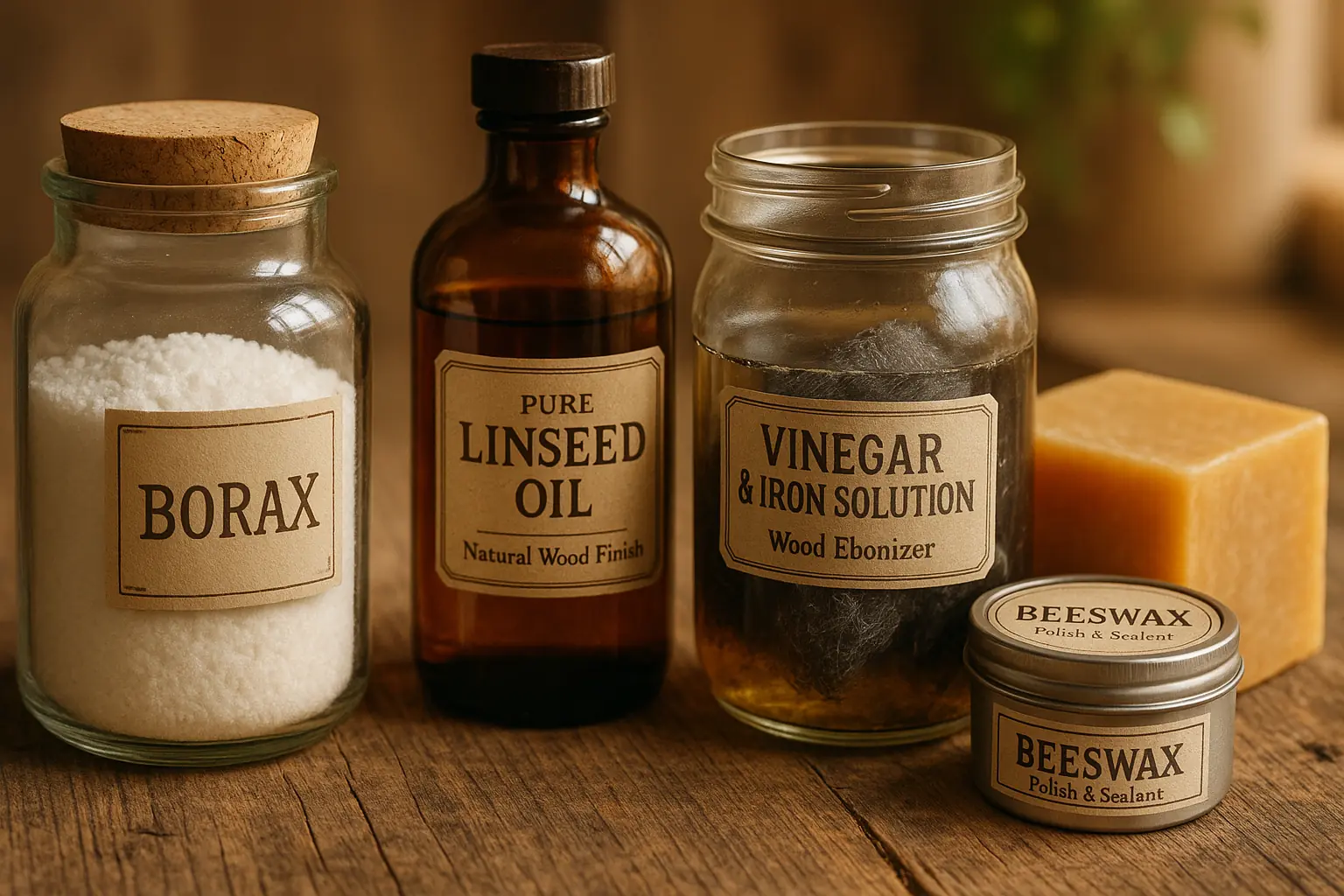
Makers constantly brew their own eco wood preservatives. These DIY recipes often use mineral-based ingredients. Borax solutions are a common example. Natural oils like linseed or tung oil also feature heavily. Some makers experiment with acidic concoctions. Think vinegar and iron solutions. These formulas travel through maker networks. Knowledge passes from one experimenter to another.
That "all-natural" label feels good, right? The truth about performance? It is wildly inconsistent. User experiences reveal significant variations in effectiveness. Safety also becomes a major concern with homemade mixes. Our interactive tool below helps you navigate this. You can explore popular recipes. You can see their intended uses. Crucially, you find community-shared insights and warnings. Understanding actual results is paramount. Forget the green halo. Focus on what works.
Do They Actually Work? Real-World Effectiveness Against Rot, Mold & Insects (UGC Reality Check)
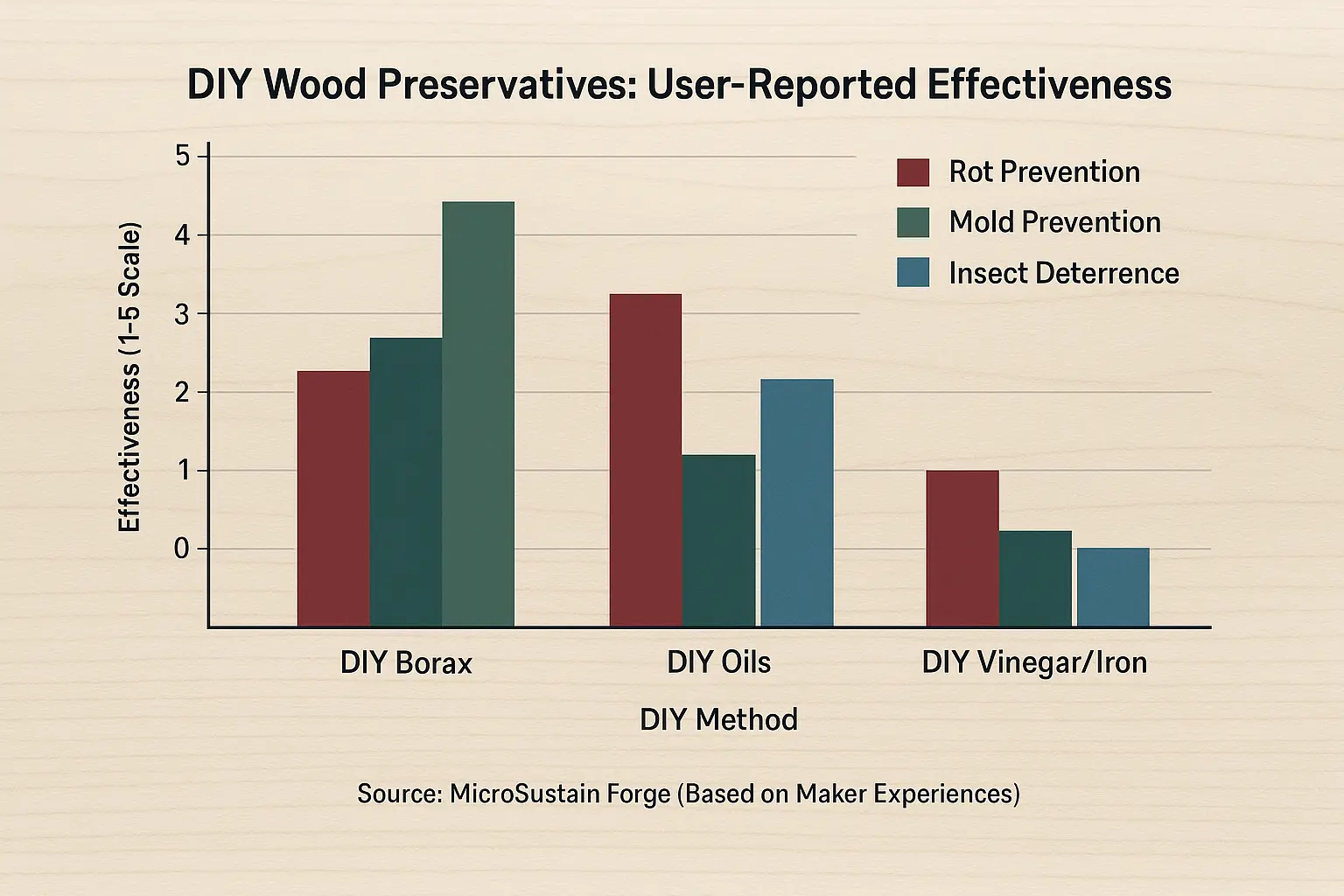
Do homemade wood preservatives actually work? The maker community's experience paints a clear picture. Some DIY brews offer surface-level protection. They seldom match commercial products' long-term effectiveness. Many makers, seeking sustainable options, treat outdoor projects with homemade solutions. Rot often appears within a year or two. This frustrating outcome is a frequent story in online discussions.
What about specific threats like mold or insects? Borax-based mixes often handle surface mold, a common observation from users. Deep mold, however, remains largely untouched by these gentler applications. Insect deterrence from DIY oils or brews gets mixed reviews online. Some makers report mild repellent effects against certain pests. Serious infestations typically laugh off these home remedies. Against wood rot, most user experiences show DIY methods fall short, especially for anything beyond very sheltered, indoor use where conditions are less demanding.
Real-world effectiveness truly varies. Wood type dictates much. Application thoroughness is key. Local climate conditions are critical. An indoor decorative piece in a dry environment might fare well with a simple oil finish. A garden bed or fence post in humid, insect-prone regions often succumbs quickly when only DIY-treated. This pattern is a constant in maker feedback. DIY treatments, then, usually offer targeted, temporary defense or aesthetic qualities like ebonizing. They are not broad-spectrum, long-haul protectors, a truth echoed in countless project post-mortems shared by frustrated creators.
Applying DIY Preservatives: User Tips for Durability & Reapplication Realities
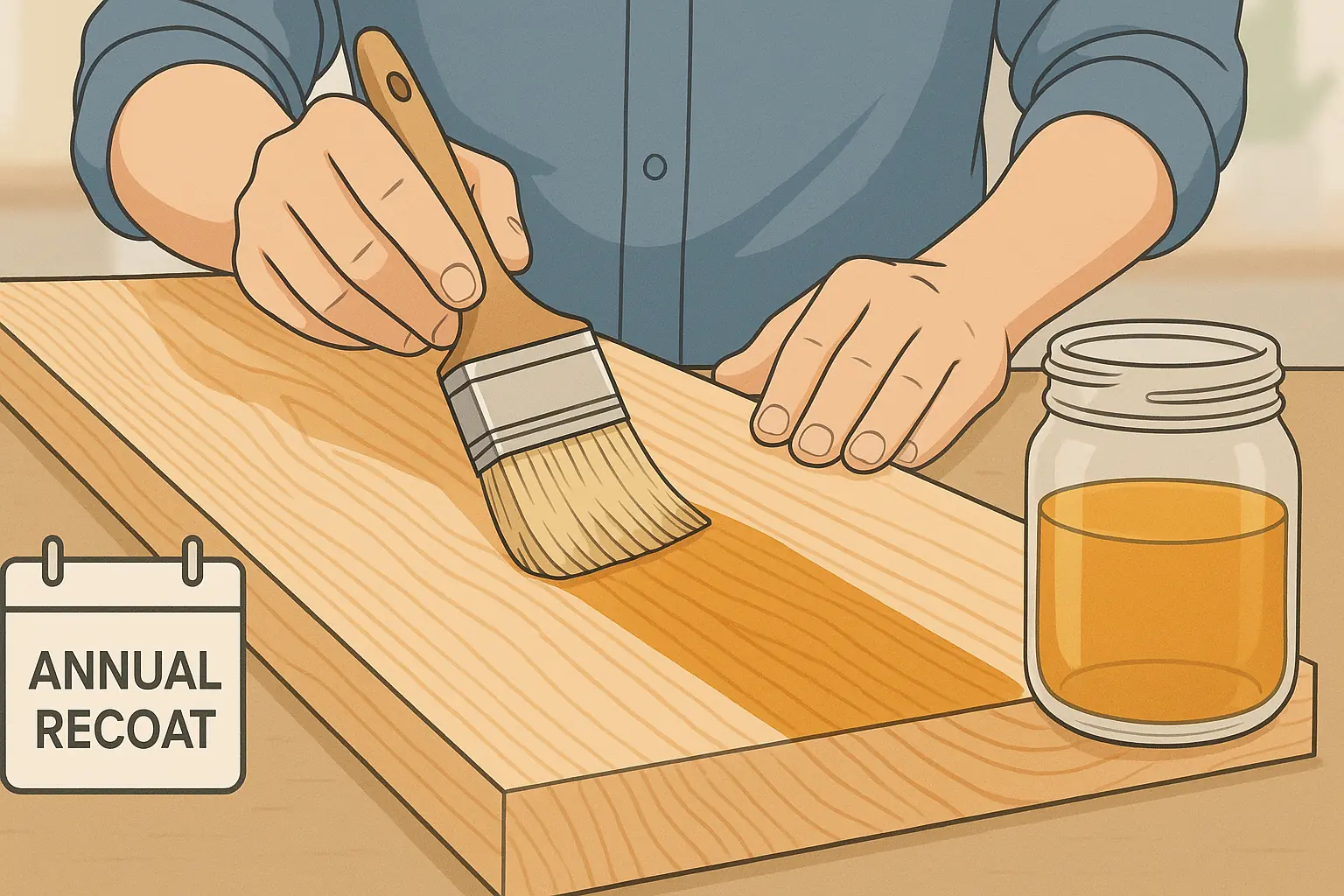
Your wood surface demands attention first. Clean, dry wood absorbs DIY preservatives best. Many experienced makers stress this point. Some new users, unfortunately, skip proper sanding. Their carefully mixed DIY brew then just sits on top. It never really soaks into the wood fibers. The community wisdom? "Prep is half the battle!" Proper preparation truly ensures your preservative penetrates deeply for lasting effect.
Makers apply these DIY mixes in a few key ways. Brushing is popular for larger surfaces. Wiping often suits smoother, smaller pieces. Some makers even soak tiny components for complete saturation. The goal? Maximum absorption. Users consistently advise working the preservative along the grain, not against it. Many find multiple thin coats outperform a single, thick application, preventing unsightly runs and ensuring deeper penetration. This also helps avoid those frustrating streaks.
Let's talk reapplication realities. This is where DIY commitment shows. These natural treatments often demand more frequent attention than many commercial alternatives. Outdoor projects? They face the elements. User experiences indicate annual reapplication is common for these items. Some makers stretch to bi-annually for pieces with less exposure. Ignore this schedule, and you might see your wood degrade faster than expected. That initial eco-friendly effort can quickly diminish without consistent follow-up.
These DIY preservative methods clearly demand consistent effort. That reapplication schedule can feel demanding. Yet, countless makers in online communities champion this approach. The big appeal? Total control over every single ingredient. Plus, the deep satisfaction from achieving a genuinely natural, non-toxic finish on their creations is often mentioned. For dedicated makers, this ongoing commitment is a small price for true material transparency and peace of mind.
DIY Wood Preservatives: Critical Safety Warnings & What Makers Wish They Knew (UGC)
Natural ingredients do not equal harmless. Makers often believe DIY wood preservatives are inherently safe. This belief carries real dangers. Our UGC analysis reveals many creators discover potential health risks only after a problem arises, a hard lesson learned.
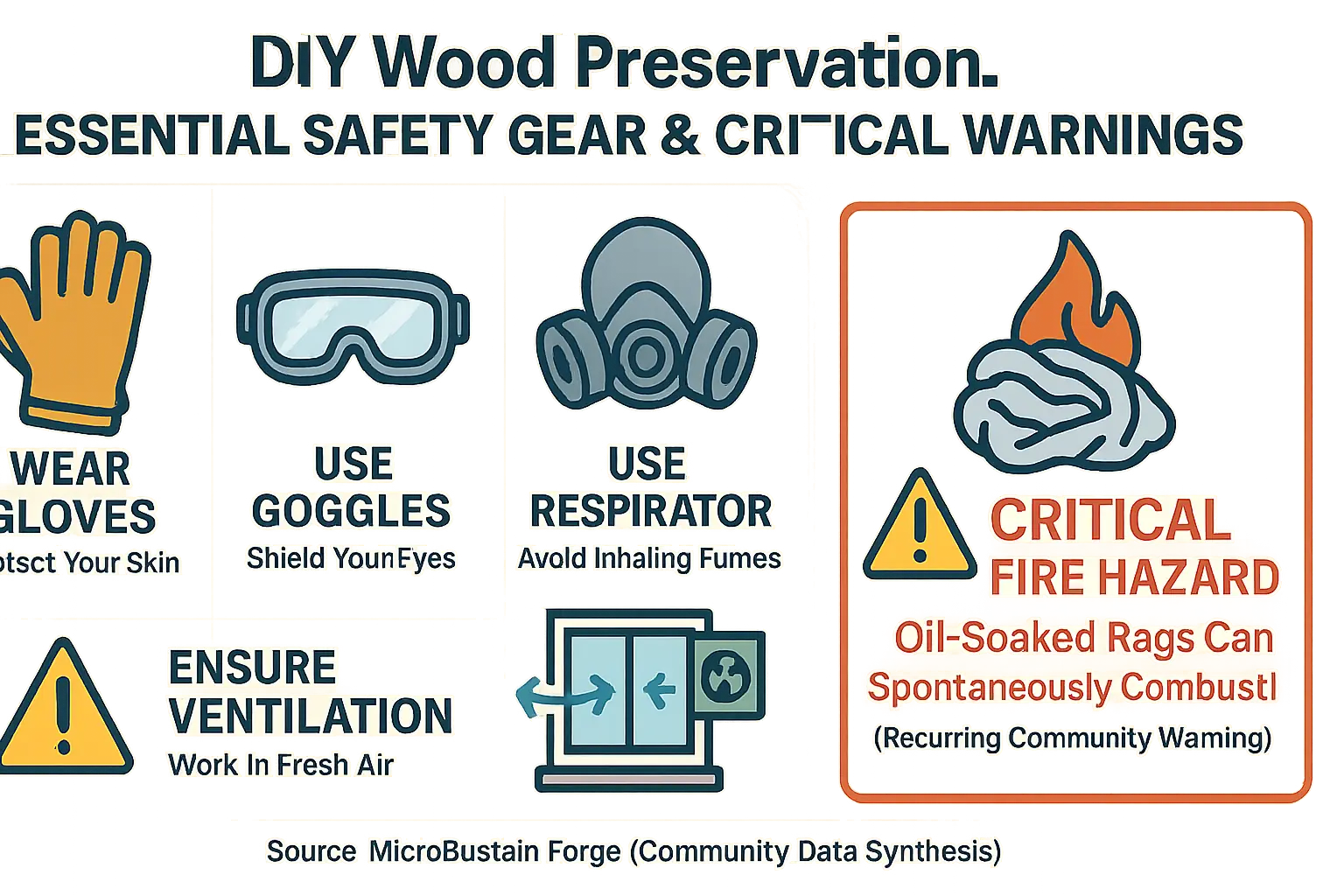
Specific ingredients require careful handling. Borax solutions, for instance, are toxic if ingested. Keep them far from children and pets. Oil-soaked rags present a serious, often overlooked, fire hazard. Imagine a maker, pleased with their new finish, leaves a rag balled up. Spontaneous combustion can occur hours later. This is a recurring warning in maker communities. Vinegar and iron solutions can create irritating fumes; work with good airflow.
Personal Protective Equipment is absolutely necessary. Always wear gloves. Protect your eyes with goggles. Ensure your workspace has excellent ventilation. Makers frequently share advice: even for small batches, set up a safe area. These simple steps prevent many common DIY accidents.
DIY wood preservatives have limitations. They are not universally appropriate. For items touching food, or for children's toys, their safety is not guaranteed. Some 'natural' components can still leach or cause sensitivities. Community wisdom suggests carefully considering if a DIY solution meets the specific safety needs of your project, especially for high-contact uses.
Forging a Sustainable Future: Is DIY Wood Preservation Right for Your Project?
DIY eco-preservatives offer a compelling natural alternative for your projects. Makers must approach these solutions with realistic performance expectations. Safety protocols are absolutely paramount with any homemade brew, regardless of 'natural' claims. Our analysis of extensive community discussions reveals both inspiring successes and crucial limitations you should know.
Is this path right for you? Consider your project's specific needs very carefully. An indoor decorative item has different requirements than an outdoor structural piece. Desired longevity and your willingness to reapply treatments frequently are key factors. Making informed decisions, backed by collective maker insights, truly fosters sustainable workshop practices. This shared journey helps us all forge better, greener ways to create.