Building Your Own Plastic Recycling Microfactory: The Ultimate Home Workshop Dream?
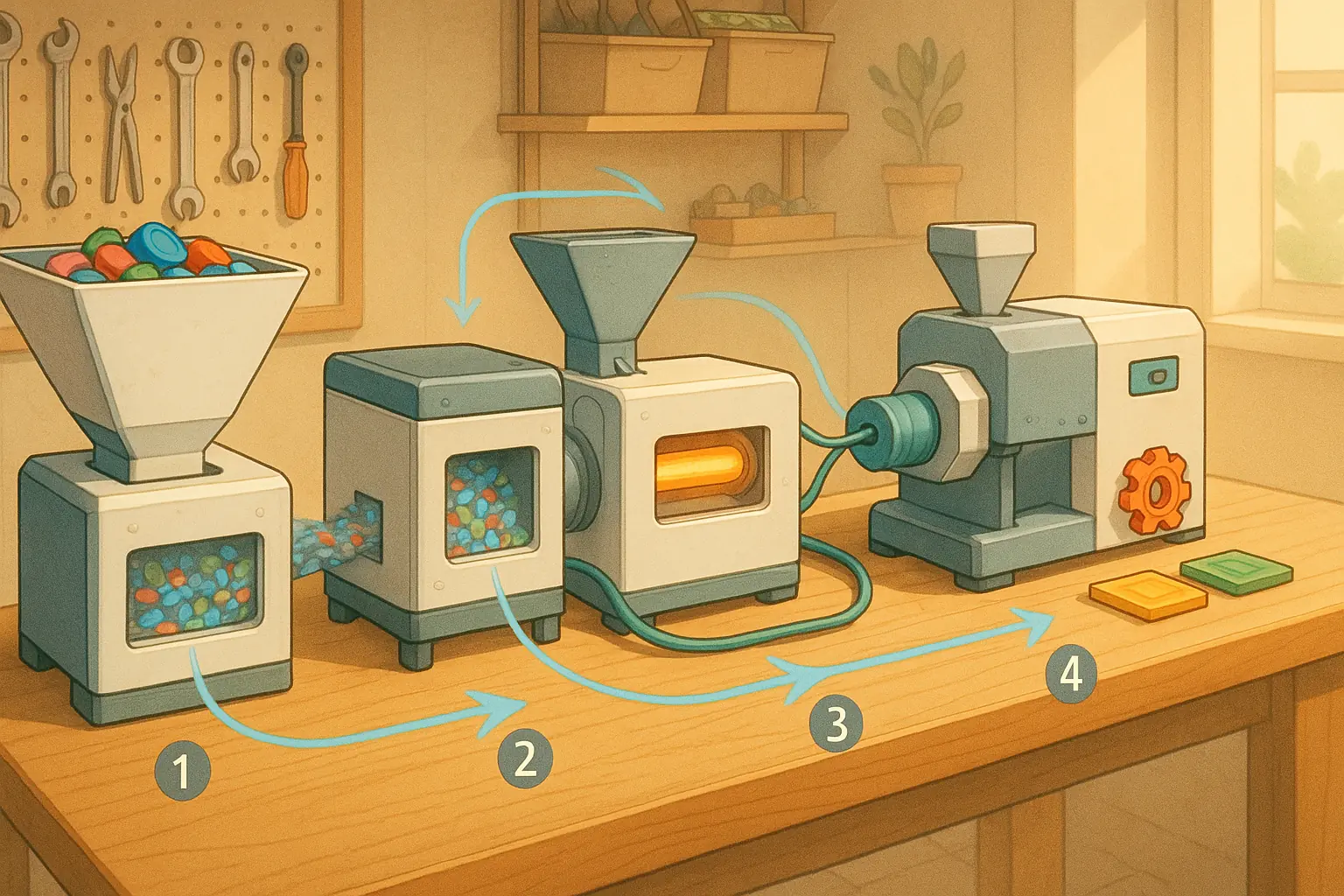
Ever dreamed of a true home recycling hub, transforming plastic waste into useful new creations? A DIY plastic recycling microfactory offers this vision. This is the ultimate maker ambition for many. Such a system integrates multiple machines, not just one. You connect shredders to extruders, then perhaps to molders; it’s a complete workflow from waste to product.
This guide shares insights from real maker journeys. Many pioneering makers have forged working home microfactories, successfully integrating these complex systems. Their shared experiences reveal practical truths about what works for home workshop recycling. We move past simple theory. This content focuses on achievable small-scale manufacturing, grounded in community wisdom.
So, what will you discover? You will learn essential planning steps for your own microfactory. Component integration for workflow efficiency is a major focus. Real-world maker experiences also highlight crucial safety protocols for home setups. This guide offers a practical roadmap for ambitious home recyclers, aiming to turn that dream into a functioning reality.
The Microfactory Workflow: From Waste Bin to New Creation (Key Stages & Equipment)
Select the stages and equipment you plan to integrate into your DIY plastic recycling microfactory. We'll give you some tailored tips!
1. Waste Collection & Sorting
2. Shredding
3. Material Transformation (Extrusion/Molding/Sheets)
Your tailored tips will appear here after you click the button!
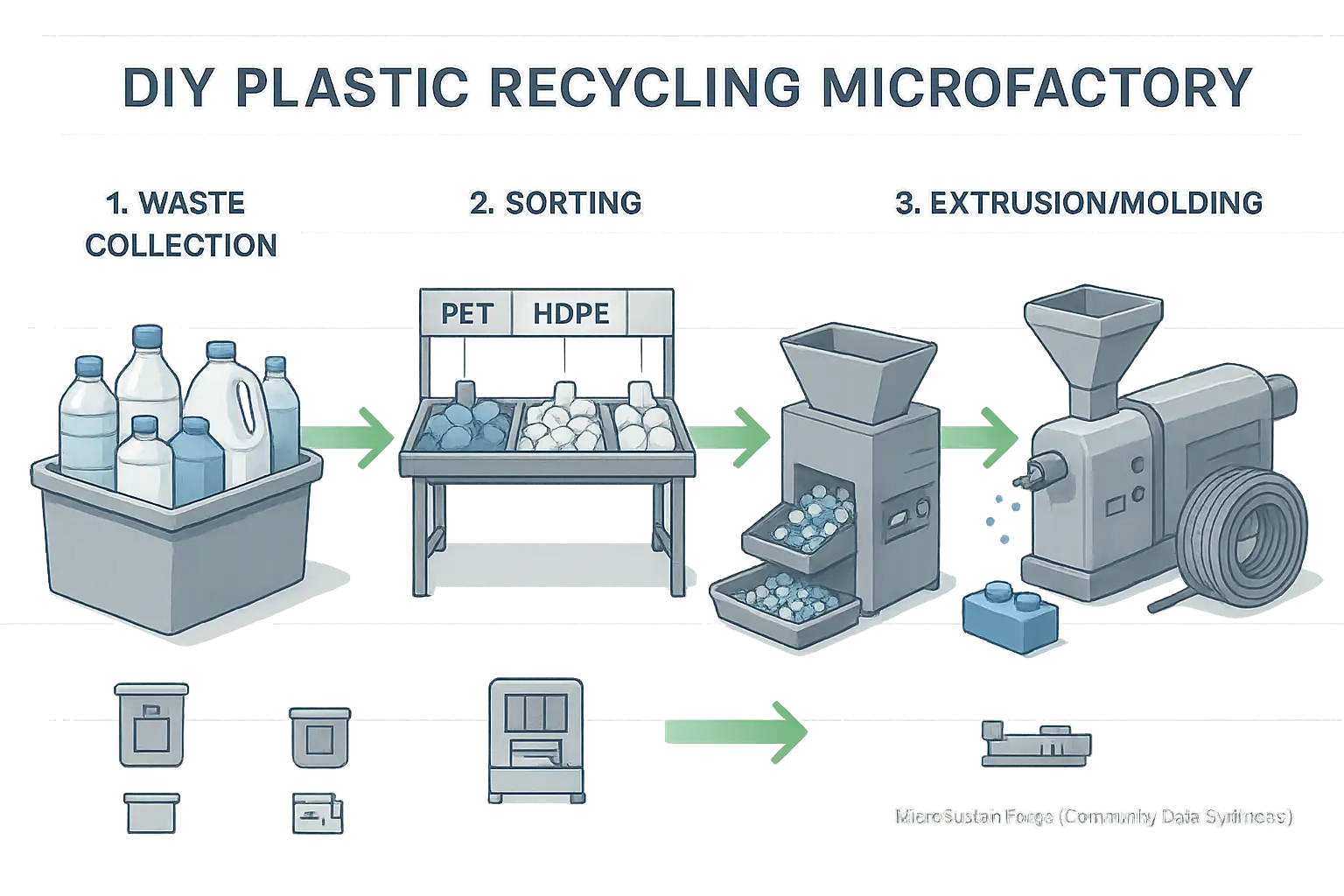
The interactive tool above helps you map out component choices for each stage of your microfactory. This visualization clarifies the integrated workflow. A true microfactory transcends individual machines; its power is their synergy. Our analysis of maker discussions highlights that smooth, efficient flow between stages is paramount. Bottlenecks, like material jamming between shredder and extruder, frequently stall projects without careful planning. Makers consistently overcome these by optimizing transfer mechanisms and buffer capacities, maintaining crucial momentum. System thinking is vital.
Building your microfactory is an iterative journey. It is not a one-time, set-it-and-forget-it build. Makers consistently advise starting small. Master one stage. Perhaps begin with just a shredder and a simple molding setup. Then, expand your system piece by piece. This incremental approach, widely validated in community project logs, allows you to refine each step. You learn. You adapt. Your microfactory grows with your experience, not ahead of it.
Beyond the Bench: Space, Power & Critical Safety for Your Microfactory (UGC Lessons)
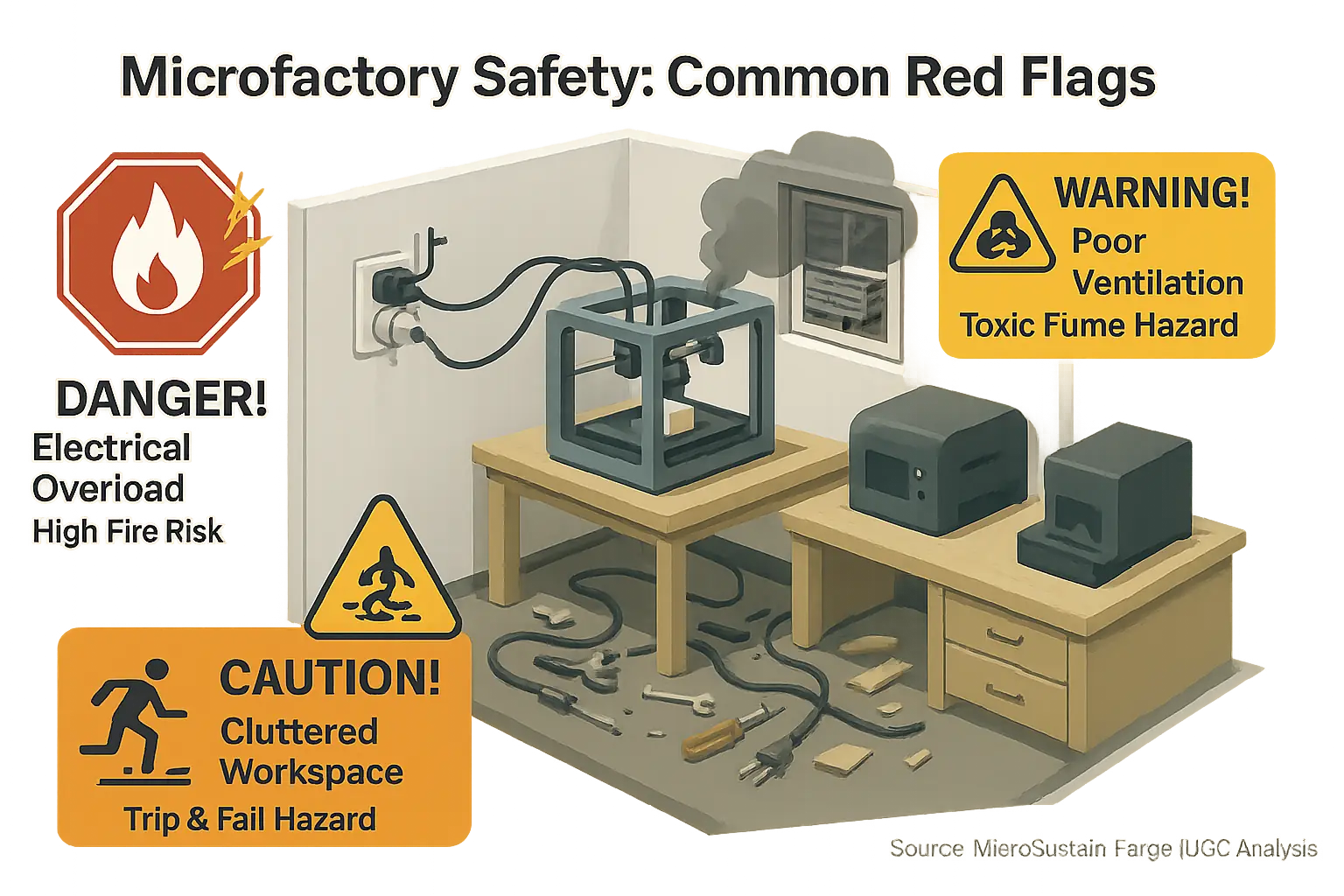
Your microfactory demands thoughtful space allocation. This goes far beyond simple machine footprints. Efficient workflow requires clear pathways between operational stages. Ample material storage and project staging areas prevent clutter and hazards. Crucial safety zones around machinery are non-negotiable. Our extensive community data mining shows makers ingeniously optimize compact workshops; they frequently implement vertical storage solutions and clever, modular layouts to transform tight spots into highly functional multi-stage production environments.
Power requirements for a microfactory can be substantial. Many users underestimate this critical aspect. Community forums are filled with cautionary tales of tripped breakers. Overloaded outlets present serious fire risks. These experiences underscore the absolute need for careful electrical planning. Dedicated circuits for power-hungry equipment like CNCs or multiple 3D printers are often essential. Proper wiring, potentially assessed by a professional, prevents dangerous situations and ensures operational stability. Ignoring this can be costly.
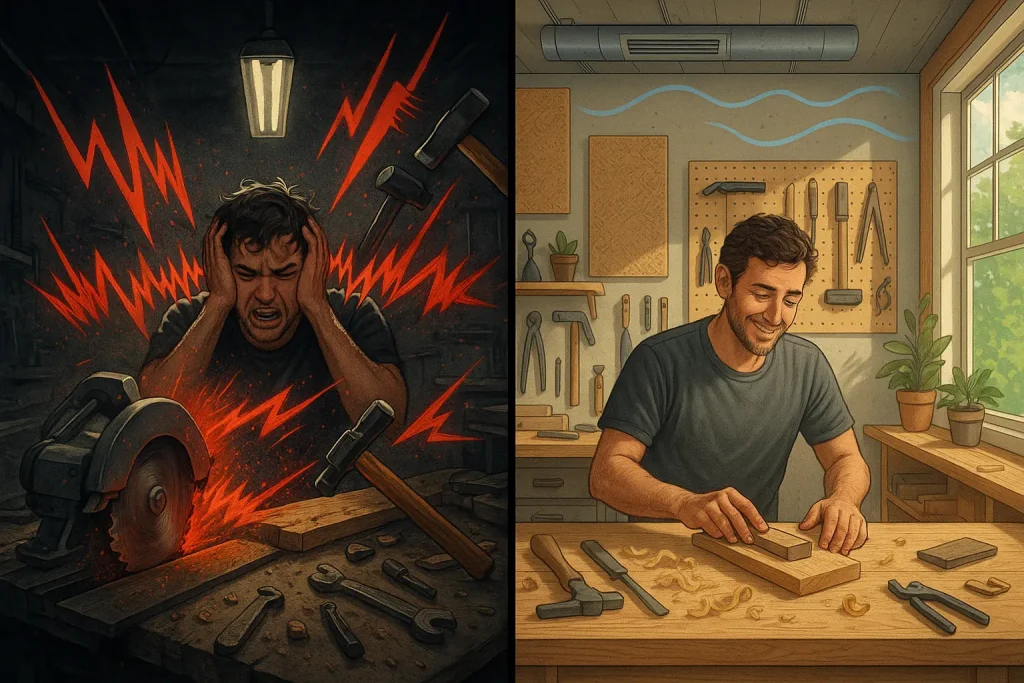
Integrated safety protocols become vital in a multi-machine environment. A microfactory introduces interconnected risks absent with standalone tools. Fumes from different processes, like resin printing and laser cutting, can combine. Heat sources from welders or heat beds create persistent burn hazards. Machinery interlocks and emergency stops need systemic consideration. Comprehensive ventilation, addressing the entire workspace, is not optional. Makers consistently advise that appropriate Personal Protective Equipment (PPE) for each specific task and hazard is mandatory. Clear, practiced emergency protocols, often developed from hard-learned community lessons, are your frontline defense against serious incidents.
From Waste Stream to Value Stream: What Your Microfactory Can Create & Its Real Impact
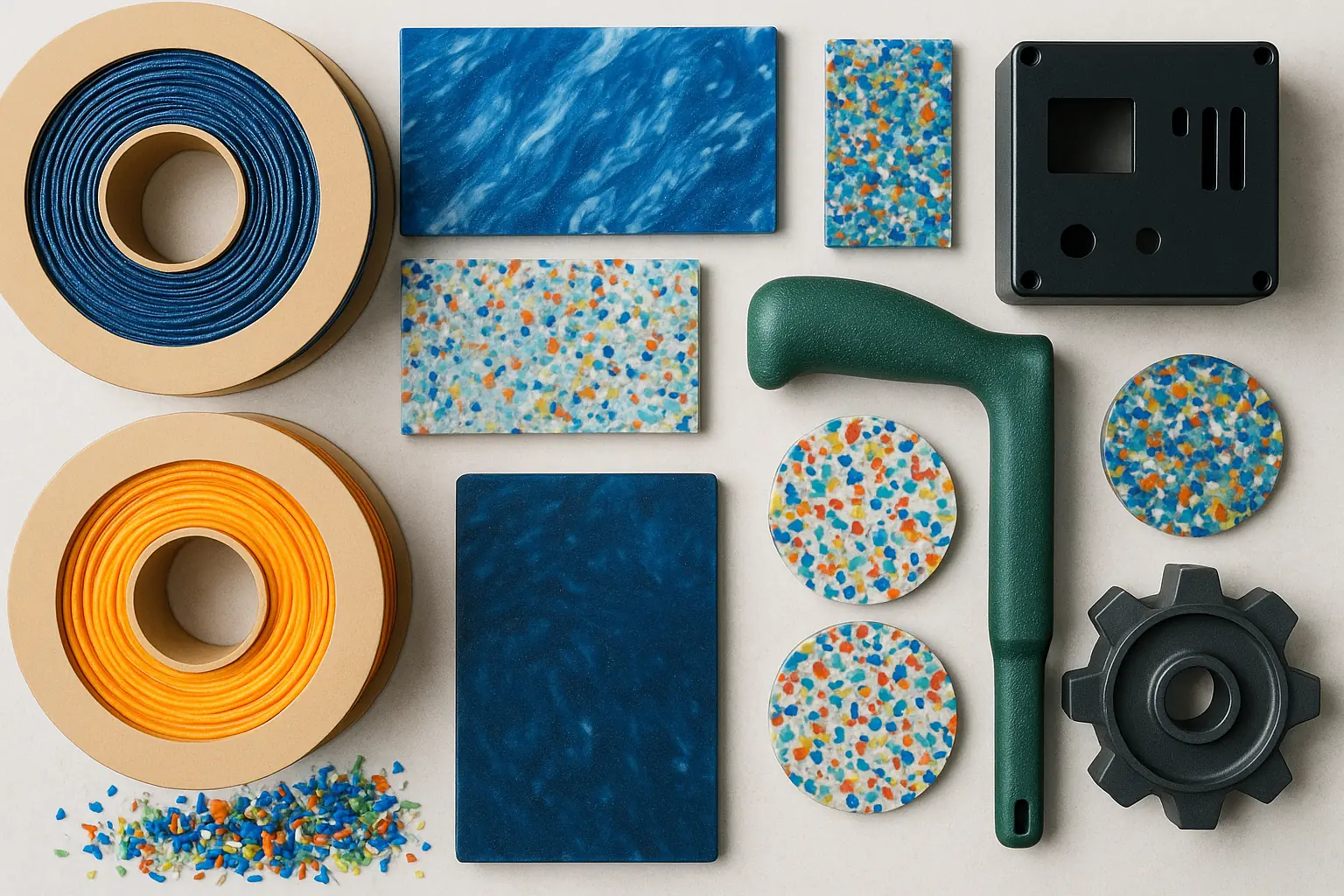
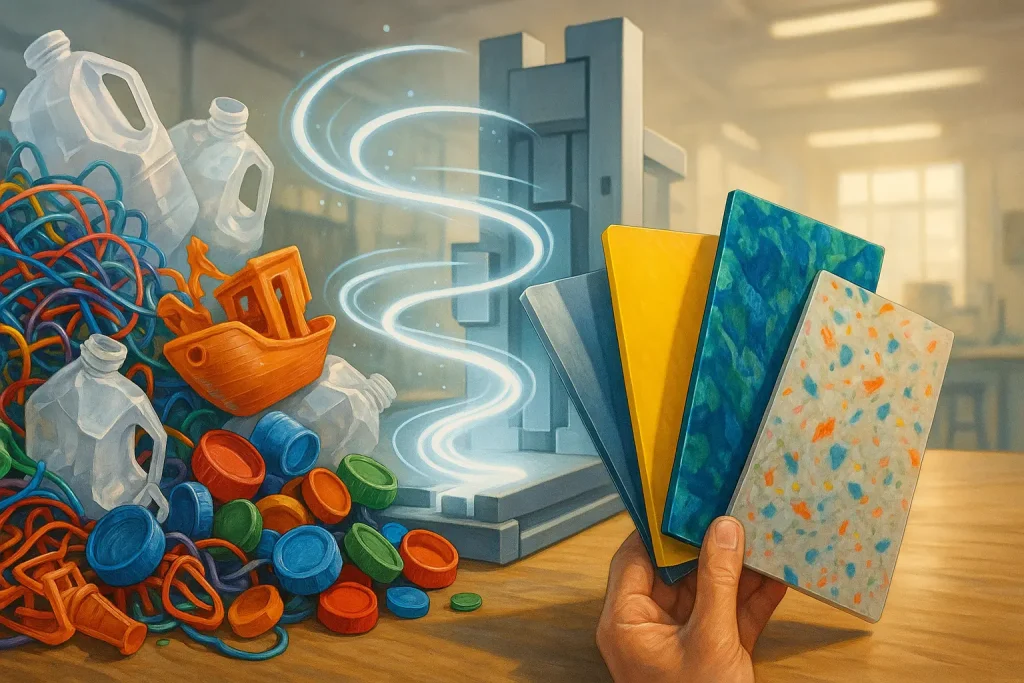
Your microfactory doesn't just shred plastic; it forges real value from workshop scraps. Picture this: custom 3D printer filament in colors no supplier stocks, crafted by you. Makers regularly share stunning results. They also produce unique molded parts, from bespoke project enclosures to ergonomic tool handles. Many create vibrant, patterned sheets from recycled plastic, perfect for artistic inlays or durable panels. Functional prototypes? They can now emerge rapidly, speeding up your design iterations. This isn't just recycling; it's genuine creation.
The impact truly resonates beyond just tidier workshop bins. Your microfactory actively slashes local plastic waste. It conserves virgin material use significantly. You're closing the loop, right in your own space. The surprising part for many? The deep personal satisfaction. Makers consistently describe this feeling of transforming 'useless' into useful. This journey also sparks continuous learning in material science and machine operation. Some clever makers even bootstrap small ventures, selling unique, recycled creations. That's powerful.
Your microfactory becomes a vital cog in a bigger, greener picture. It’s a practical, hands-on contribution to a circular economy within our maker communities. Makers like you are the pioneers here. Your ingenuity transforms local waste streams into genuine value streams. This collective effort truly closes loops. So, what can your forge create next? We encourage you to share your journey and your unique 'forged' products. Inspire the community. Show everyone what's possible.