Reclaimed Wood Furniture: Why Its Strength is a Maker's Real Mystery

You proudly survey your latest creation. A beautiful reclaimed wood table. Then the thought hits. Will it actually hold up? This is a common moment for makers. Reclaimed wood offers amazing character for DIY furniture. Its strength, however, is a true hidden variable. This unpredictability contrasts sharply with new lumber. User-generated content reveals this unspoken anxiety about long-term durability. Many makers wrestle with it. This guide directly addresses that concern. It provides practical DIY methods. These methods help assess reclaimed wood strength. They also show how to boost it. These insights come from collective maker experience. Our goal? To build your confidence. Use sustainable materials. Create truly functional, enduring pieces.
Beyond the Surface: Unmasking Hidden Weaknesses in Reclaimed Lumber (UGC Insights)
DIY Strength Check: Practical Tests for Your Reclaimed Wood (No Lab Needed!)
Quick Reclaimed Wood Strength Check
Use this simple checklist to get a quick idea of your reclaimed wood's structural integrity. Just answer 'Yes' or 'No' to the questions below based on your observations.
Visual Inspection:
Tap Test:
Bend Test (Use Caution!):
Remember, these are quick checks. Always prioritize safety in your projects. If in doubt, reinforce!
Reclaimed wood adds great charm. Its structural integrity is often a pressing question. These simple DIY methods help you quickly assess its strength for your projects.
Your test results are vital. Use them to make smart wood choices. This builds stronger, safer projects, protecting your craftsmanship.
Fortifying Your Furniture: Proven Reinforcement Techniques for Reclaimed Wood (Maker Approved)
Reclaimed wood brings character. Its past can mean structural quirks. Makers understand this challenge. Smart reinforcement transforms suspect lumber. It creates durable, lasting furniture. This is community-proven alchemy.
Strong joinery provides the essential framework. Mortise and tenon joints are a gold standard. One piece of wood slots securely into another. This creates an incredibly robust connection. Our analysis of user experiences shows makers trust this for reclaimed wood's variable density. Many report once-creaky frames becoming exceptionally solid using this age-old technique.
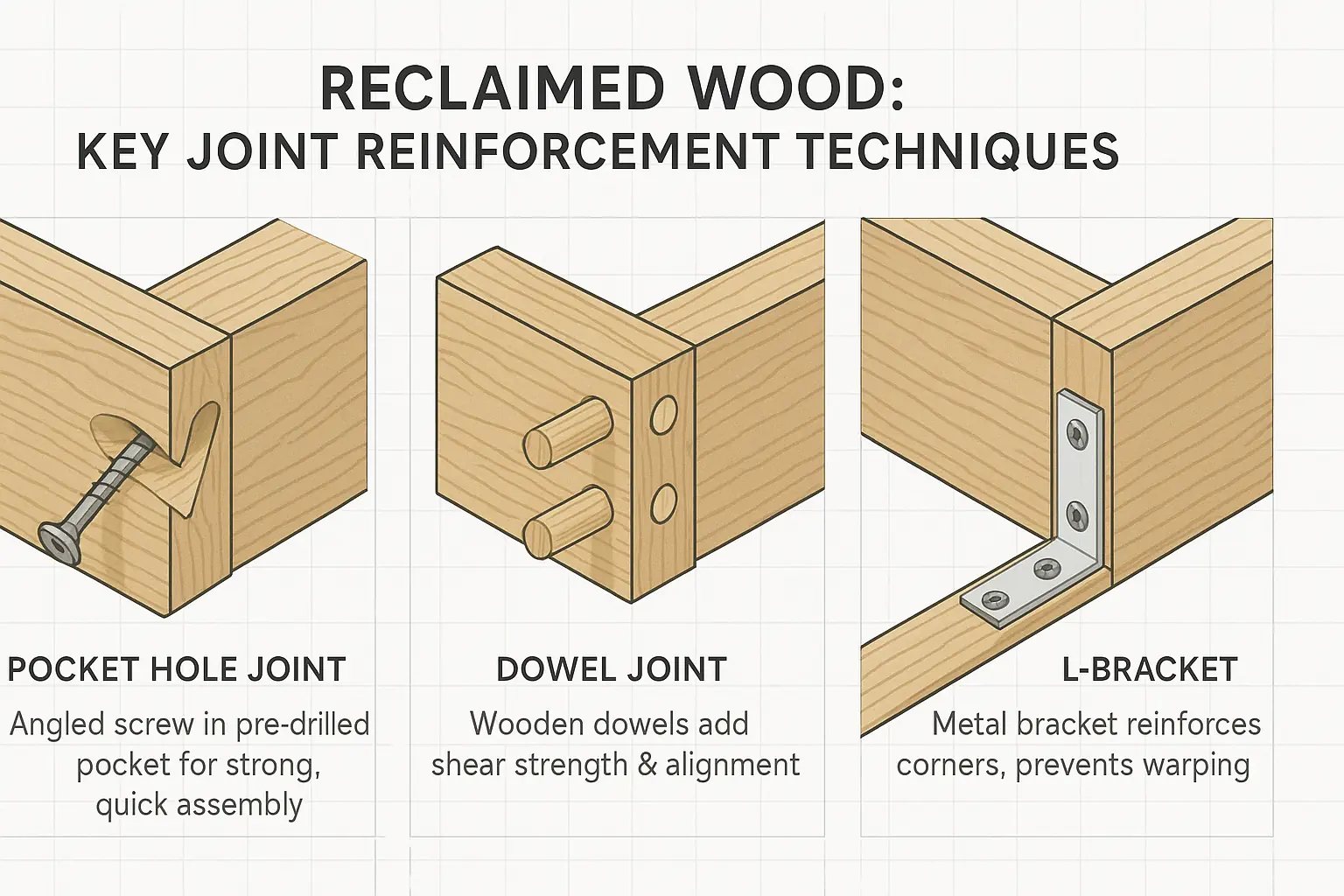
Dowel joinery offers another excellent option. Wooden dowels reinforce butt joints or edge joints. They add considerable shear strength. Reclaimed wood often has uneven surfaces. Dowels help align these perfectly. Users frequently share projects where dowels salvaged split-prone boards for tabletops.
Pocket holes deliver speed and surprising strength. Screws enter at an angle into a pre-drilled pocket. This pulls pieces together tightly. This method is maker-approved for its efficiency. Many crafters build sturdy reclaimed wood tables and shelves using pocket hole joinery. They praise its quick assembly. They confirm its lasting hold.
Strategic metal fasteners add undeniable power. Screws secure panels. Bolts clamp large assemblies. Consider reclaimed tabletops. Community wisdom often suggests adding discreet metal L-brackets or flat mending plates underneath. These additions prevent future warping or splitting. Such simple hardware quietly ensures longevity.
Hidden structural supports boost stability significantly. Wooden cleats reinforce long shelves. Gussets strengthen corners against racking. Experienced upcyclers frequently install a simple wooden cleat along an unsupported reclaimed beam. This prevents sagging over time. This is a common trick. It turns potentially weak spans into reliable structures. These supports are often unseen. Their impact is huge.
Eco-friendly glues enhance every joint's integrity. Modern eco-PVAs offer formidable bond strength. Traditional hide glue allows for reversibility, a valued trait with historic wood. Proper application is crucial. Users emphasize thorough surface preparation. Generous clamping pressure and full cure time are non-negotiable. Many makers find a well-executed glue-up with quality eco-glue makes the joint stronger than the reclaimed wood fibers themselves. The bond becomes the hero.
These community-vetted techniques fortify reclaimed treasures. They prevent common failures like splits or wobbles. Makers consistently share success. Questionable pieces become reliable furniture. Your reclaimed wood project can achieve this robust, lasting quality too. The collective experience proves it.
Picking Your Powerhouse: Selecting Reclaimed Wood for Load-Bearing Projects (UGC Wisdom)

Selecting reclaimed wood for load-bearing projects demands sharp eyes. Not all old wood carries equal strength. This is a core truth echoed across countless maker forums. Your project's stability depends entirely on wise choices upfront.
Experienced makers consistently seek out specific wood species for demanding applications. Old-growth hardwoods like oak or maple often top their lists. These woods, harvested from mature trees, typically possess dense grain. This density translates directly to superior inherent strength. Community discussions frequently highlight how timbers salvaged from century-old buildings outperform many new woods.
The wood's past life offers vital clues. Consider its history. Barn beams, for instance, are prime candidates. These pieces supported immense loads for decades, sometimes centuries. This long service demonstrates their resilience. Makers report these beams often require minimal reinforcement. Conversely, wood from old fence posts or decorative trim likely lacks the necessary structural integrity for heavy support. Its original purpose simply wasn't about bearing significant weight.
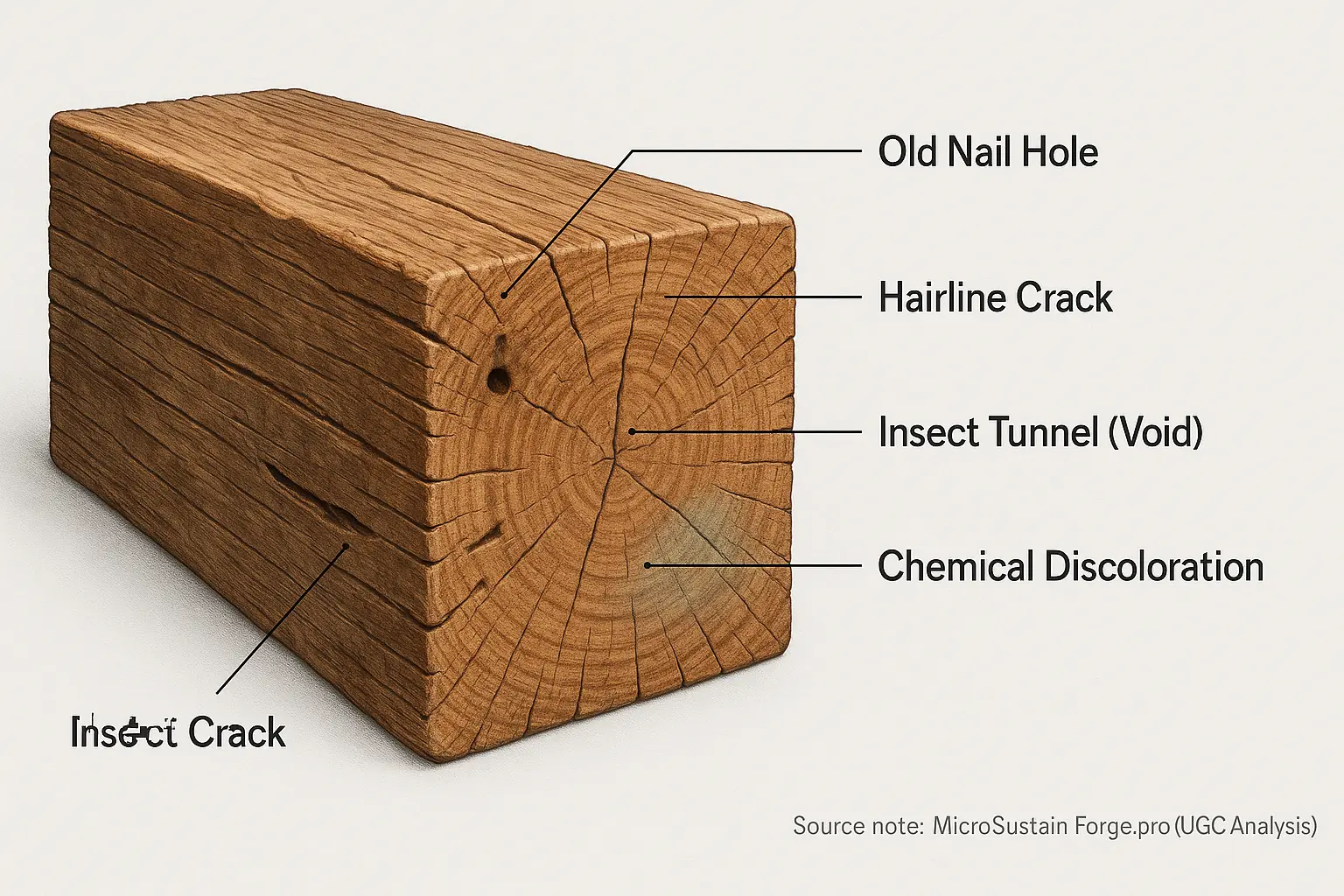
Visual inspection is your most critical tool. This is where seasoned makers spot subtle 'tells' and dangerous 'red flags'. A small, seemingly innocent knot can compromise a beam. One maker shared a painful lesson: a reclaimed joist with a 'minor' knot catastrophically failed under load, ruining weeks of work. Look closely. Are there excessive large knots, especially loose ones? Do you see deep cracks or splits running along the grain? These are weak points. Evidence of rot, even discolored patches, signals compromised wood. Tiny pinprick holes? Those might indicate past insect activity, potentially weakening the wood from within. These are the details that online communities emphasize repeatedly.
Proper drying and acclimation are non-negotiable. Many DIY project comments reveal disastrous outcomes from rushing this step. Reclaimed wood often holds moisture from its previous environment. Bringing it indoors and immediately using it invites trouble. Warping can occur. Splitting is common. The wood needs time to adjust to your workshop's or home's humidity levels. This stabilization process prevents future movement and maintains structural integrity. Patience here truly pays dividends.
Ultimately, careful selection of reclaimed wood builds immense confidence. The consensus among experienced upcyclers is clear. Investing time to thoroughly vet each piece minimizes future problems. Your finished project will be stronger. It will be safer. That peace of mind is invaluable.
Forge Stronger Furniture: Your Reclaimed Wood Journey Continues
Reclaimed wood offers so much. Unique character. Real sustainability. Its strength, however, demands your attention. Assess carefully. Reinforce smartly. Makers widely report success with these methods. You absolutely can build lasting, functional furniture this way. The collective experience of fellow crafters lights the path. This knowledge helps you master the material. Every piece you forge becomes more than just an item. It’s your contribution. A powerful step towards a more sustainable workshop future. Build boldly. Create beautifully. Make a difference.