The Unpredictable Palette: Understanding Recycled Filament Color Inconsistency
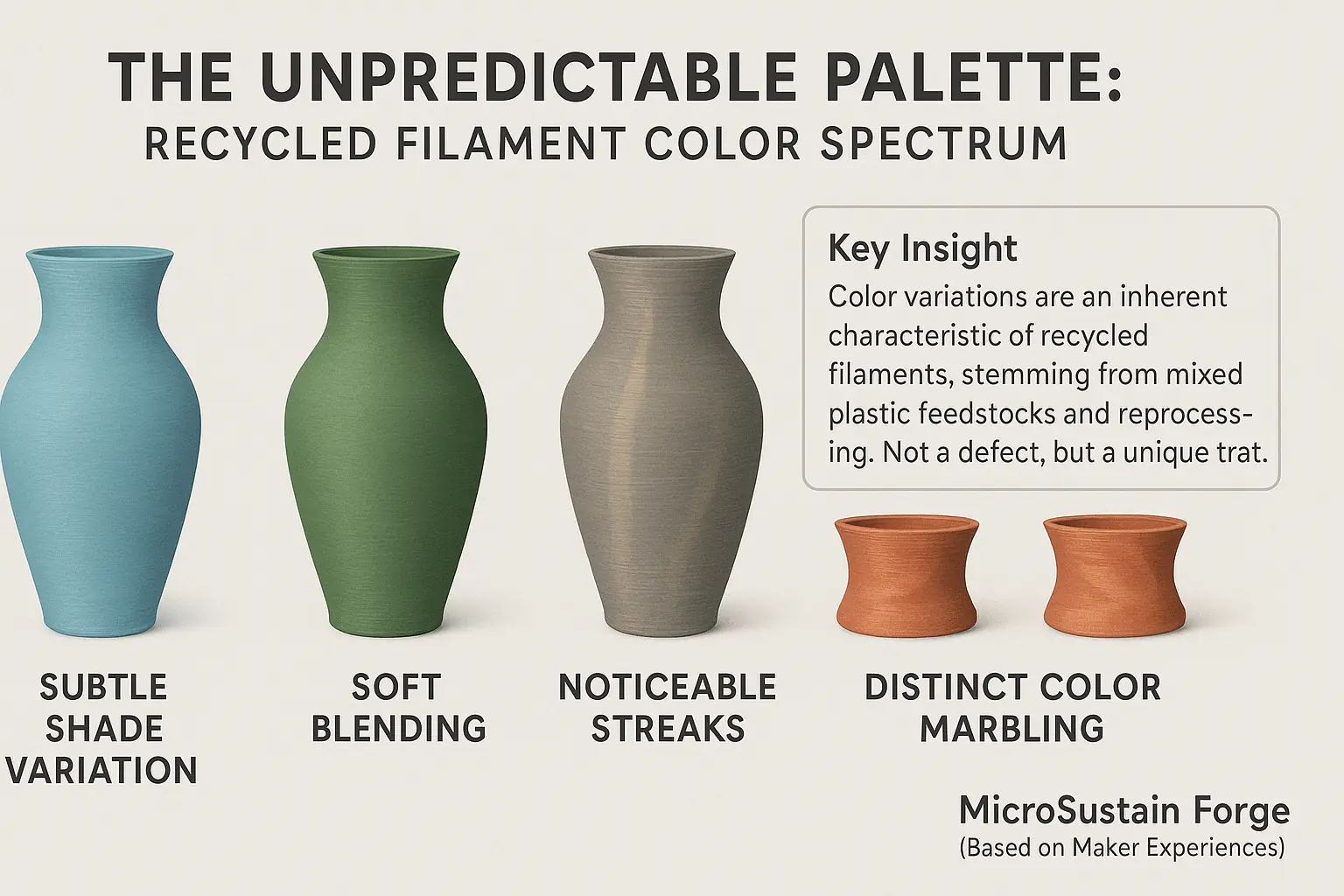
Ever unboxed recycled 3D printing filament, expecting one distinct shade? Then discovered a subtle, or sometimes not-so-subtle, shift partway through your spool? This color variation isn't a defect. It is an inherent reality of many recycled materials. We've seen countless discussions where makers grapple with this exact issue, trying to understand its impact on their projects.
Many makers initially view these color inconsistencies as a frustrating flaw. A real headache. Yet, our deep dive into user-generated content uncovers a vibrant community. These creators ingeniously transform this perceived problem into a unique design feature, even a signature style. MicroSustain Forge exists to share these hard-won strategies and community-developed solutions. We help you navigate and even leverage that collective wisdom for your own sustainable making.
Let's be real. Genuine sustainability in materials often introduces these unique quirks; recycled filament color inconsistency is a prime example. Perfect, unwavering color consistency is an unspoken truth for most recycled filaments; it's rarely achievable due to mixed plastic feedstocks and pigment changes during reprocessing. This variability is part of their environmental journey. It is a small trade-off for a greener print. The surprising part? This unpredictability can open new doors for truly unique aesthetic outcomes in your 3D prints and crafts.
Why Your Recycled Filament Isn't a Perfect Match: The Root Causes of Color Shift
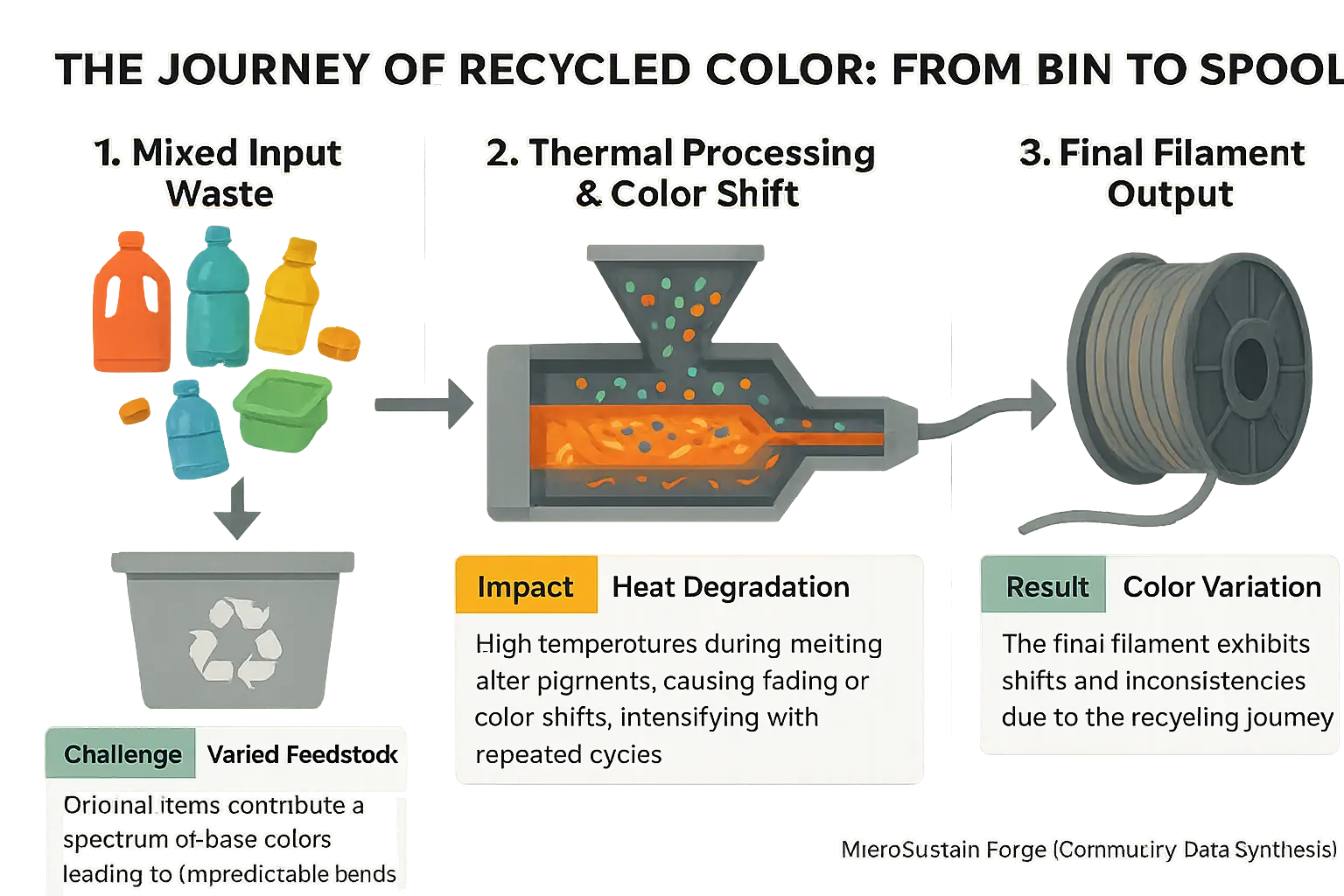
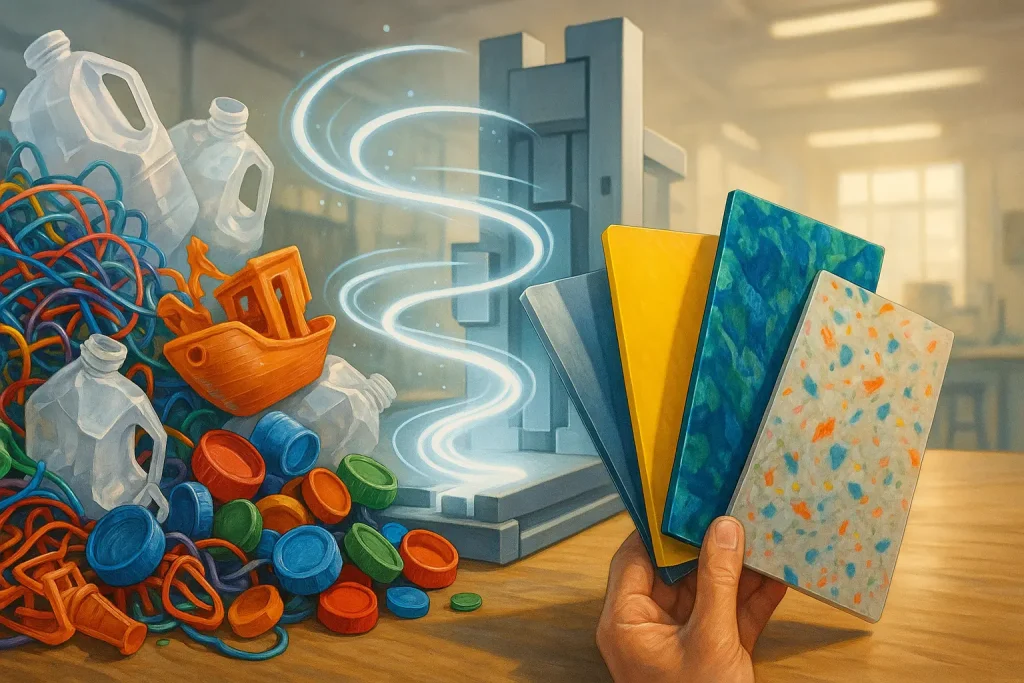
Recycled filament color consistency presents a common puzzle. The primary reason? Varied plastic feedstock. Our deep dive into maker forums reveals this fundamental challenge. Imagine trying to create a perfectly uniform paint. You use a bucket of random leftover paints. This scenario closely mirrors recycled plastic reality. Original items contribute a spectrum of base colors. Achieving a perfectly consistent final hue becomes a difficult task.
The recycling process itself introduces further color shifts. Thermal degradation during melting and re-extrusion subtly alters existing pigments. High temperatures are the key factor. This effect often intensifies after multiple heat cycles. Many users have pointed out this 'fading' or 'shifting' phenomenon. Some makers report these variations even within a single spool of filament. It is a known characteristic of the material's journey.
Contamination also plays a significant part in color outcomes. Even tiny amounts of different plastic types can impact the final shade. Unrelated dyes from other waste items can bleed into the melt. Our community data mining highlights this as an 'unspoken truth' of industrial recycling. Achieving absolute material purity is often economically challenging for recyclers. These factors are inherent trade-offs. Makers generally accept these slight color imperfections for the greater environmental benefit recycled materials offer.
Embracing the Imperfect: Practical Strategies for Managing Color Variation in Your Prints
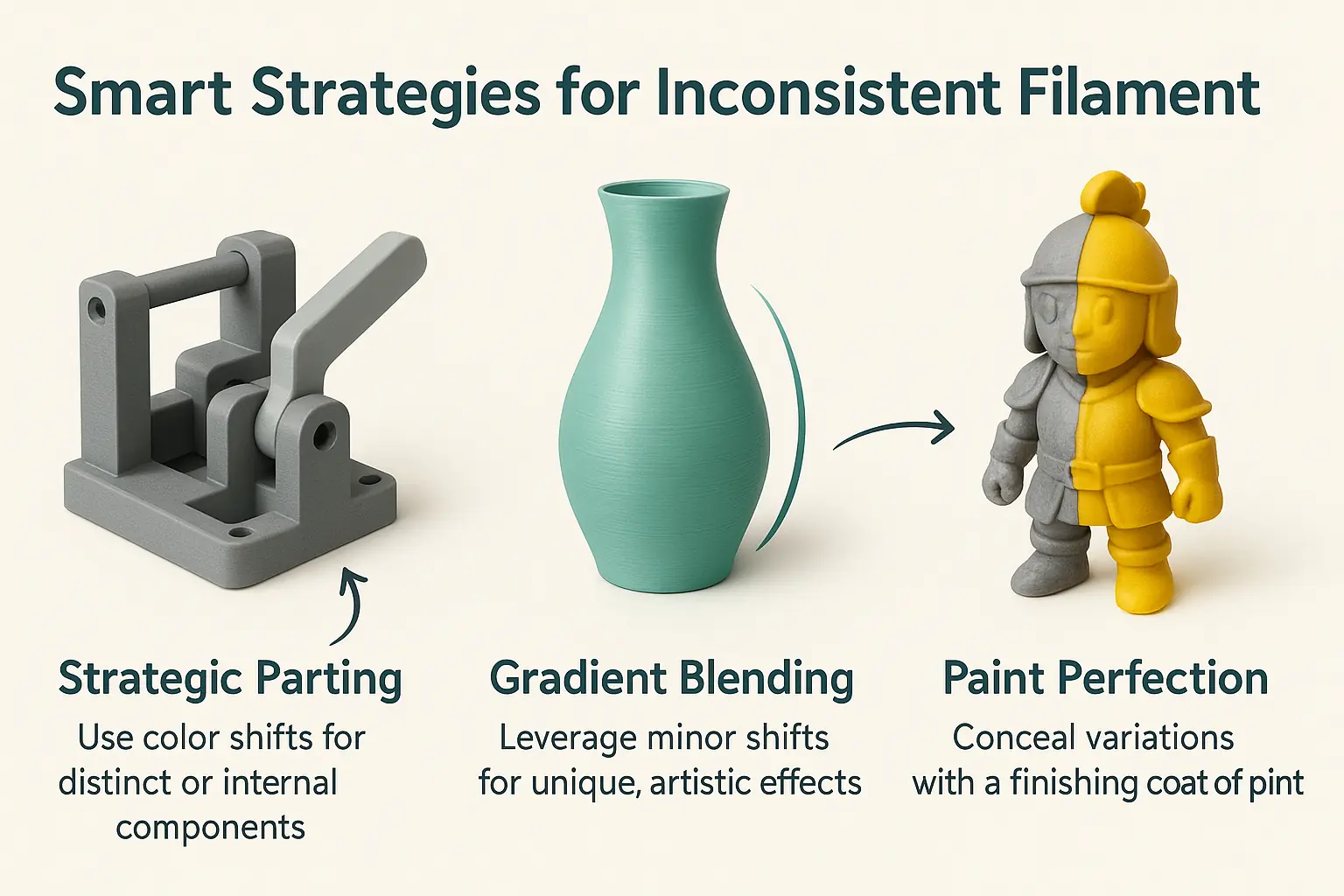
Proactive planning helps manage unexpected color shifts in your prints. Many makers strategically use inconsistent filament. Functional parts often receive this material. Jigs and prototypes are other common destinations. Aesthetics simply matter less for these specific items. Lots of users keep a dedicated 'ugly' filament bin. This filament forms calibration cubes or internal components. That practice smartly minimizes waste, a true maker solution.
Clever makers also blend or hide color variations during the printing process. Some utilize smart print orientation. Others try deliberate layering across their model. This can create a subtle 'gradient effect' from minor color shifts. A potential flaw transforms into a unique visual. We've seen stunning prints from the community. There, natural color shifts become integral to the artistic design, almost like a happy accident, right?
Practical post-processing offers even more control over the final look. Painting effectively masks color differences on finished pieces. Sanding can smooth visual transitions between slightly different hues. Applying a textured finish also conceals variations, especially for artistic or display prints. These community hacks expand the usable range of your recycled filament. More material becomes viable for your projects. So, why not experiment? View color inconsistency less as a problem. See it as a canvas for your creativity.
Find Your Next Project: Matching Imperfect Recycled Filament to Creative Ideas
Match Your Filament's Vibe to a Project Idea!
Got some recycled filament with unexpected color shifts? Don't toss it! Select the aesthetic that best describes your filament's current look or your project's goal, and we'll suggest some creative uses from the community.
This tool unlocks fresh project possibilities, helping makers transform imperfect recycled filament and significantly cut waste. You get truly unique prints; the planet sees less plastic destined for landfills. Instead of seeing that 'off-color' spool as a lost cause, imagine it: a unique canvas, ready for your next special creation. It's a maker's win.
We encourage you to share your unique projects using these 'flawed' filaments within the MicroSustain Forge community. Your brilliant innovations build our collective knowledge, directly inspiring other makers on their sustainable journey. Together, we transform material challenges into practical, community-driven solutions. This is how we forge a better way.