Beyond the Scrap Heap: Giving Old Workshop Tools a Second Life
Old tools gather dust. What now? Makers often face this exact dilemma. Broken equipment piles up in workshops. Obsolete tools consume valuable bench space. Landfills seem their only destination. But wait. Upcycling offers a brilliant, sustainable alternative. This process transforms forgotten workshop waste. It’s more than simple recycling; it’s genuine reinvention.
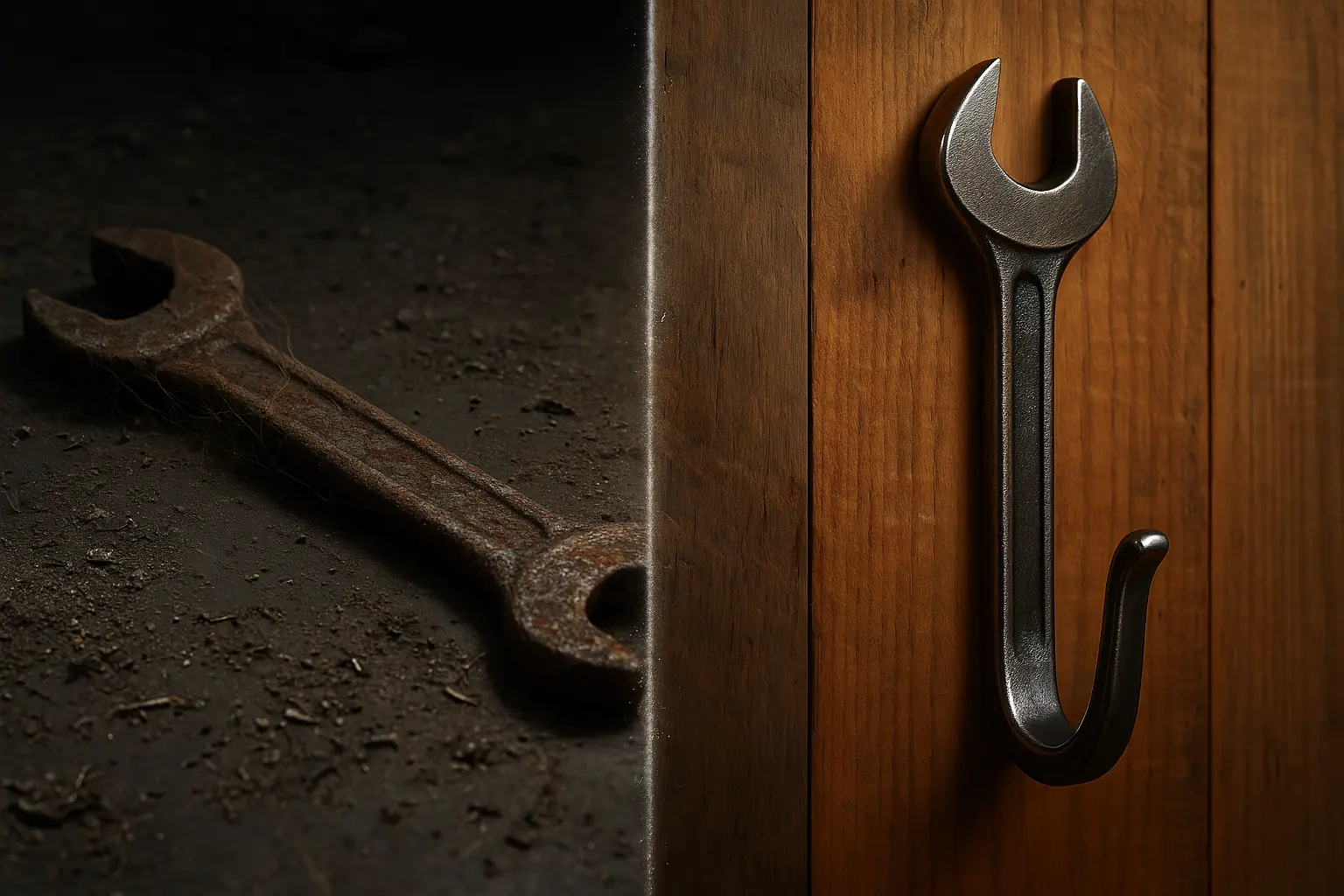
Why bother with these old tools? Waste reduction presents one clear, immediate benefit. Resource conservation also significantly matters to many. Yet, our UGC analysis shows makers find deeper motivations. They honor a tool's unique history and craftsmanship. They salvage valuable, often irreplaceable, materials. Imagine finding an old, rusty wrench. Perhaps it was your grandpa’s. Most people see only junk. A maker sees pure potential. A unique wall hook, maybe. Or a piece of striking industrial art. This creative repurposing truly drives the community.
This guide helps unlock that hidden creative potential. Community experiences forged these practical insights. Countless shared projects revealed ingenious solutions for tool reuse. Maker discussions consistently unveiled surprising ingenuity with old equipment. MicroSustain Forge now shares this powerful collective wisdom. These community-tested ideas can spark your next inspired creation. They give old, forgotten tools a vibrant new life.
Why Makers Upcycle: Beyond Just Waste Reduction (UGC Motivations)
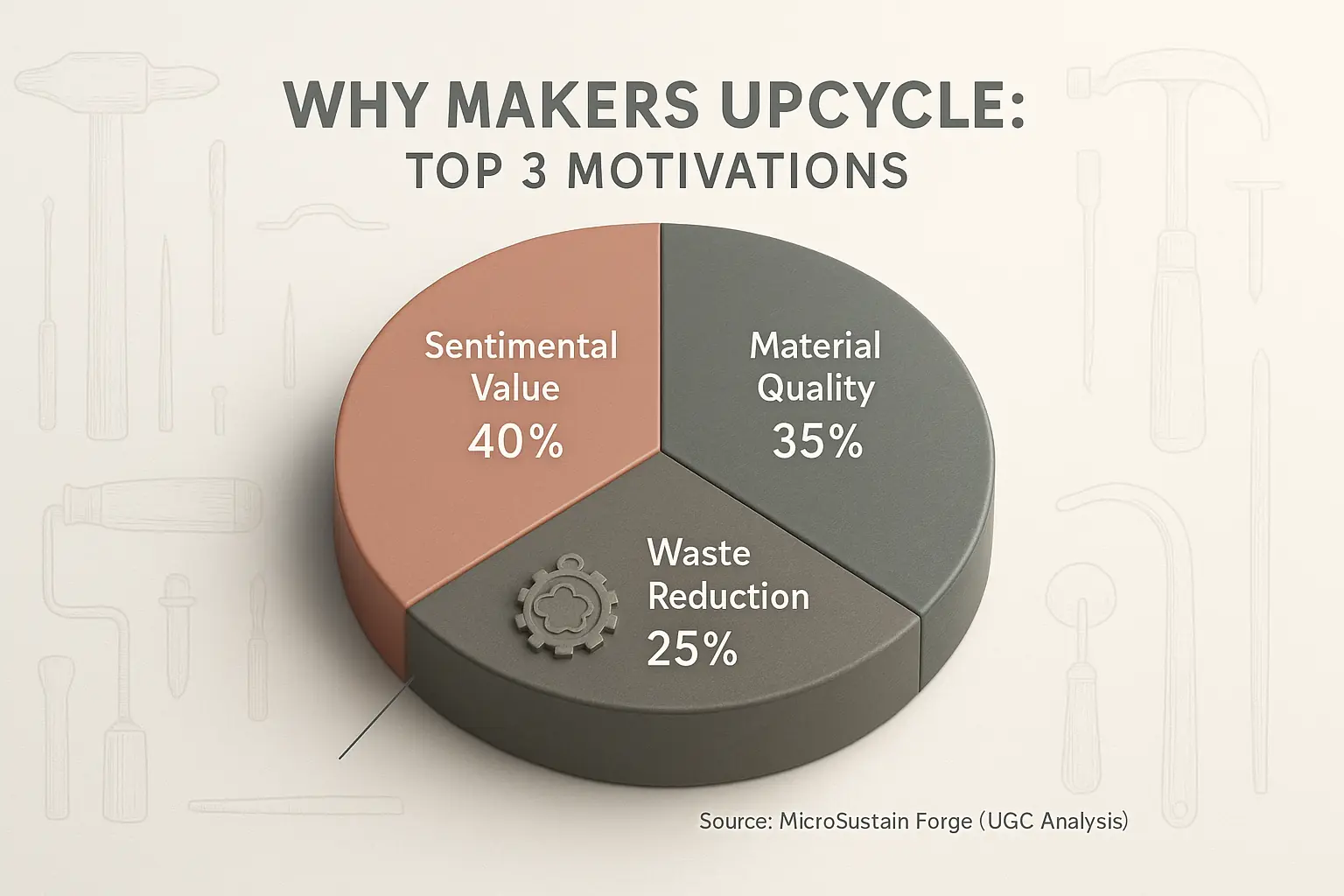
Upcycling tools transcends mere recycling. It is often deeply personal. Many makers tell us they simply can't bear to throw away a tool that belonged to a grandparent or was part of their first workshop setup. It carries memories. It tells a story.
Old tools often boast superior materials and craftsmanship compared to modern, mass-produced counterparts. That high-carbon steel file? Or solid oak handle? It is a valuable resource. It is not just scrap. This material value makes them prime candidates for repurposing, inspiring creative reuse.
Beyond sentiment and material quality, upcycling directly reduces waste. It is a powerful way to 'close the loop' in your workshop, saving money and keeping items from landfills. This practical benefit motivates many. For some makers, it is also a deeply satisfying creative challenge, transforming old into new.
Hand Tools: From Rusty Relics to Workshop Gems (Creative Project Ideas)
Old hand tools. Remarkable potential. Their robust materials and unique forms practically scream for creative transformation. Makers constantly unlock this hidden value. Community forums showcase countless stunning examples of their ingenuity.
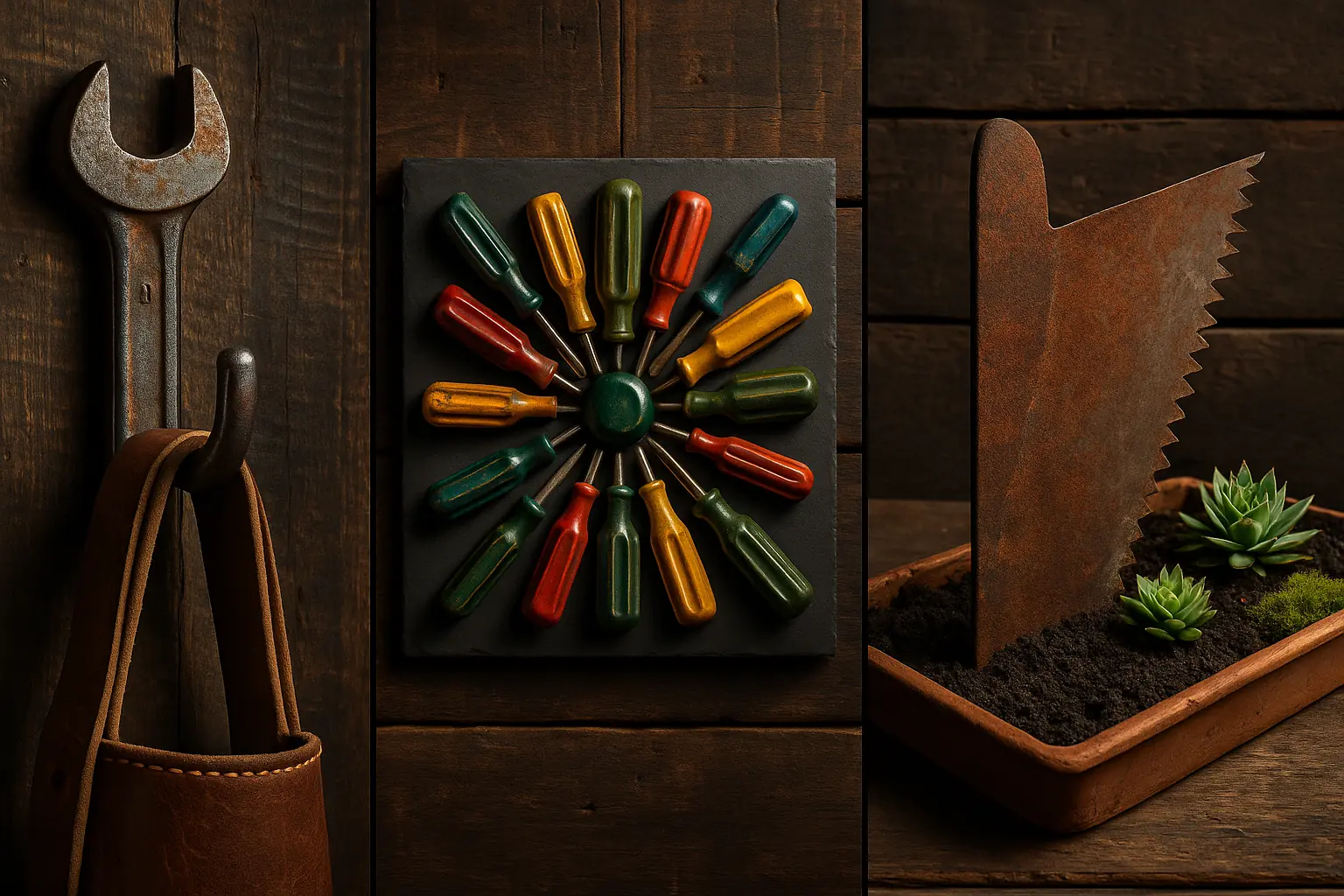
Countless inspiring projects emerge from shared community experience. That discarded wrench, for example, gains new life in many workshops. Users clean it. They might apply a protective clear coat. Then, they mount it as a distinctively strong wall hook. Here are more proven ideas from the maker world:
- Wrench Wall Hooks: Cleaned wrenches create unique, sturdy hanging points. Many makers leave the original patina for character.
- Screwdriver Handle Art: Colorful old screwdriver handles form striking mosaic pieces. Some embed them in resin for unique coasters or drawer pulls.
- Saw Blade Garden Edging: Rusted hand saw blades define garden beds with industrial chic. Users confirm surprising soil retention and durability.
- Hammer Head Doorstops: A weighty hammer head offers a simple, characterful doorstop. Adding a felt base prevents floor scratches.
- File Knife Blanks: Old steel files are frequently annealed, ground, and heat-treated by resourceful crafters into durable custom knife blades.
- Spanner Sculptures: Artful assemblages of various spanners build eye-catching abstract metal art. Welding or strong epoxy secures the joints.
These upcycled creations brilliantly fuse utility with unexpected beauty. Practical workshop solutions emerge. Home organization often improves significantly. Simultaneously, these items become unique conversation starters, each rich with embedded history and character. The result? A celebration of the tool's past life and an exciting new purpose, truly forged by makers.
Power Tool Parts & Equipment: Salvaging Value from the Scrapyard (Ingenious Maker Projects)
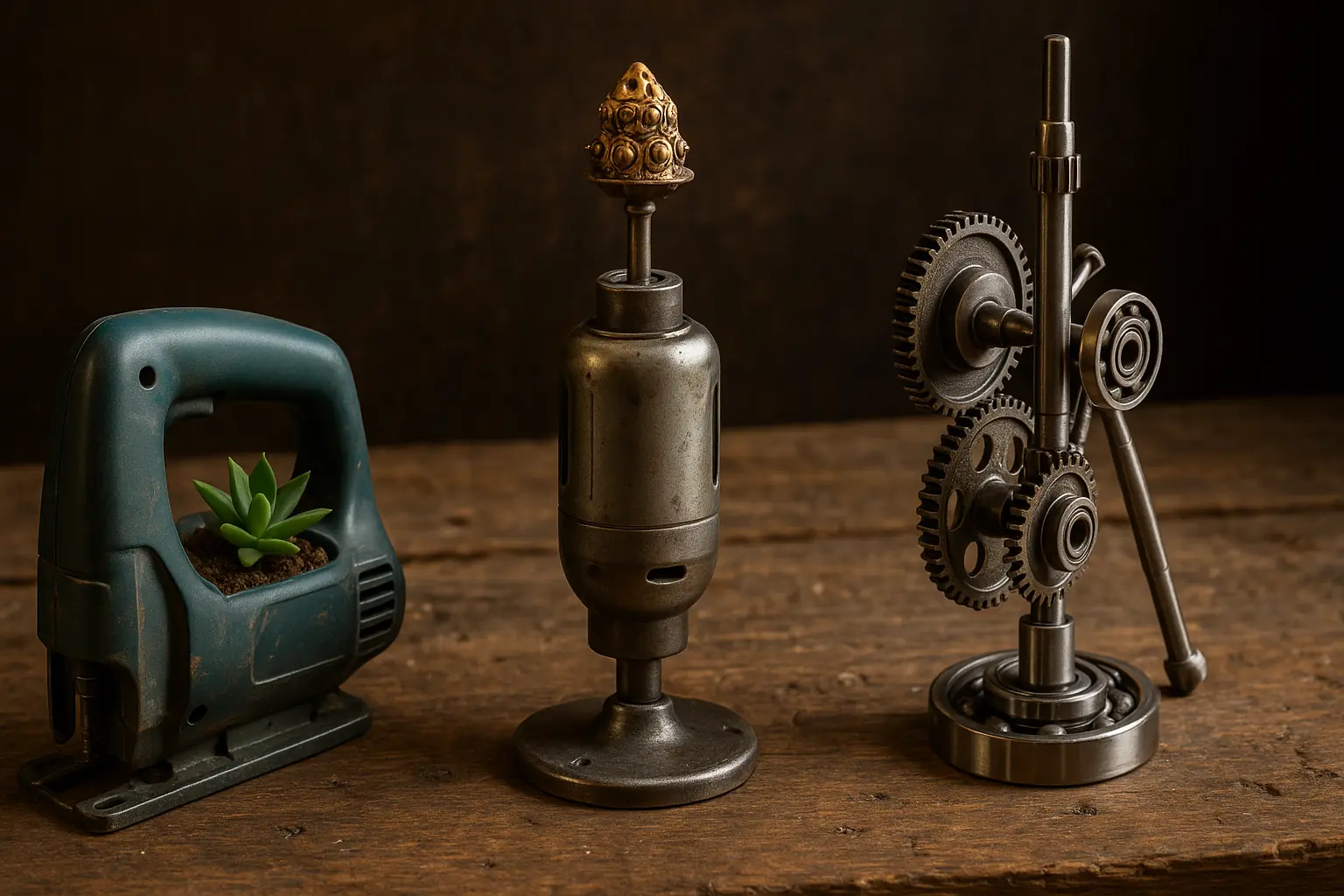
Power tools eventually fail. Many makers just toss them. Hold on. Defunct drills and saws hide valuable components. Motors, gears, and sturdy housings await your new purpose. This is smart salvaging.
Take an old drill motor. Makers frequently repurpose these. They power small display stands. Or even DIY polishing machines. It’s about seeing beyond the broken tool. Here are some ingenious projects observed in online communities:
- Desktop Fume Extractor: A salvaged motor from a small drill powers a compact fan. Add a simple filter for soldering. You achieve cleaner air.
- Custom Project Enclosures: Durable power tool housings become rugged cases for your electronics projects. These ensure solid protection.
- Kinetic Art Mechanisms: Gears, bearings, and shafts from old tools form the heart of mesmerizing moving sculptures. Makers engineer fascinating movement.
- LED Work Light Base: An empty battery pack casing transforms into a stable, custom base for a bright LED task light. You just add the lighting parts.
These projects demand real ingenuity. True. The satisfaction of breathing new life into complex components feels immense. You are not just upcycling materials. You are engineering a second chance for discarded tech. That’s true maker spirit.
Upcycling Old Tools: Essential Techniques & Safety First (Community Wisdom)
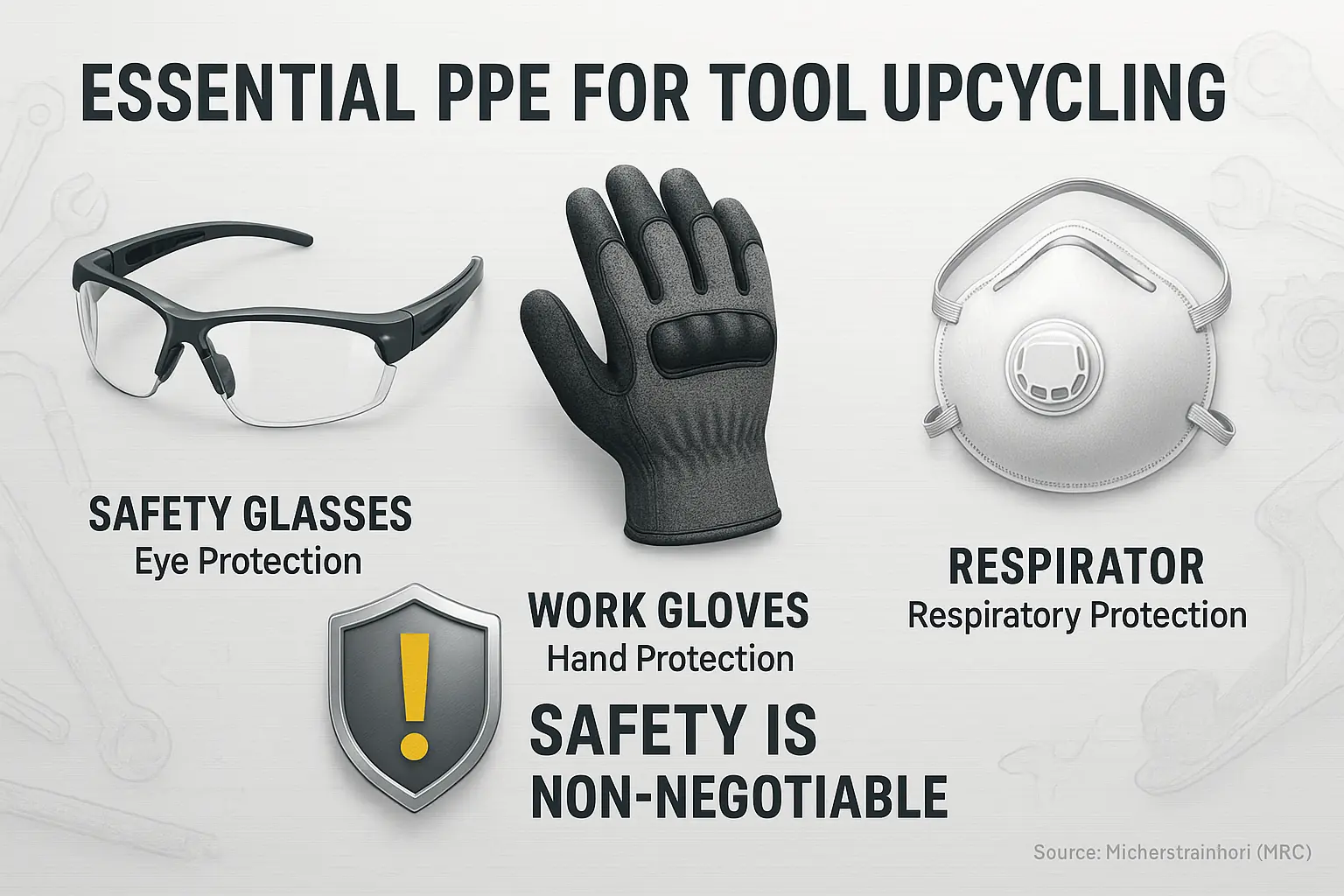
Upcycling tools demands safe execution. Old tools transform through disassembly. Cutting, grinding, and joining often follow. These creative steps demand precision. A safety-first mindset is more important.
Makers frequently use angle grinders for metal cutting. Dremel tools achieve fine detail work. Adhesives or welding join disparate materials. Each technique possesses specific nuances. Community wisdom reveals these practical details through shared experiences.
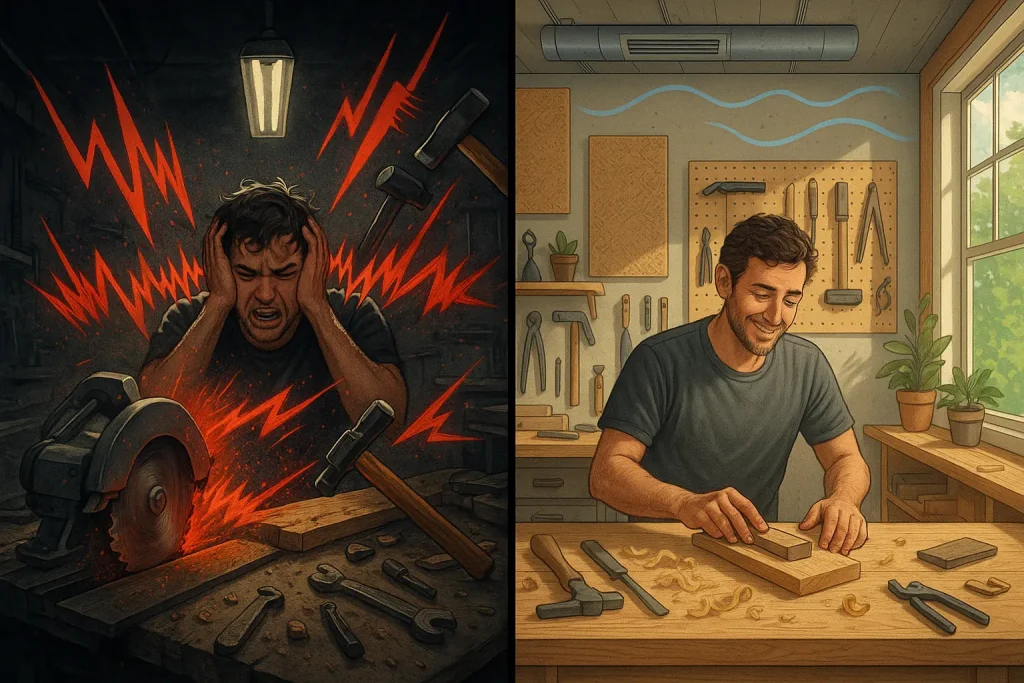
Here's the absolute truth. Safety is non-negotiable. Many users share cautionary tales. These stories underscore ignored basic precautions. Always wear proper Personal Protective Equipment (PPE). Think eye protection. Use gloves. Respirators are critical, especially with old rust, paint, or grinding metal.
Community experience highlights further vital precautions. These practices prevent common workshop injuries. Makers consistently advise these steps for safer upcycling:
- Ensure good ventilation. This is crucial when grinding or using strong adhesives.
- Secure your workpiece firmly before any modification. Unsecured items cause accidents.
- Always disconnect power from any tool before disassembly. No exceptions.
Find Your Next Upcycling Project: Old Tool Idea Finder
Got an Old Tool? Find Its Next Life!
Select the type of old workshop tool you have, and we'll reveal some surprising and creative upcycling ideas from the maker community!
Pro Tips for Upcycling Tools:
- ✅ Always prioritize safety. Wear appropriate PPE (gloves, eye protection) when disassembling or modifying tools.
- 💡 Clean tools thoroughly. Rust, grime, and old grease can be removed with vinegar or wire brushes for a better finish.
- ♻️ Think outside the box! A tool's original function is just the beginning of its potential.
Looking for more ways to make your workshop sustainable? Check out our guide on Sustainable Tool Choices & Maintenance.
This tool simply scratches the surface of what's possible with old tools. You see new potential when looking with fresh eyes. It's a quick way to spark an idea. The real magic happens when you start experimenting in your workshop. We encourage you to explore far beyond these first community-gleaned suggestions.
Got a project you've forged from old tools? We'd love to see it. Share your unique upcycling creations with the MicroSustain Forge community. Your insights fuel our collective idea forge, inspiring fellow makers. Help us grow this resource for everyone.
Beyond the Bin: Making Every Old Tool a New Opportunity
Old tools? Not just waste. Makers see more. Every dusty hammer, every broken drill, every worn-out saw blade holds a hidden story. A new potential. This truth echoes through countless maker discussions we've analyzed. Upcycling isn't merely a trend; it's a mindset. It becomes a powerful commitment to creativity. It champions true sustainability.
You directly transform waste into wonder. Your environmental footprint visibly shrinks. This is practical impact. And you join a vibrant community. These makers see exciting possibility where others see only discard. This collective resourcefulness, a cornerstone of sustainable making, fuels a more responsible future. A future MicroSustain Forge actively helps build, one upcycled tool at a time.