Beyond the Obvious: Why Water Conservation Matters in Your Workshop
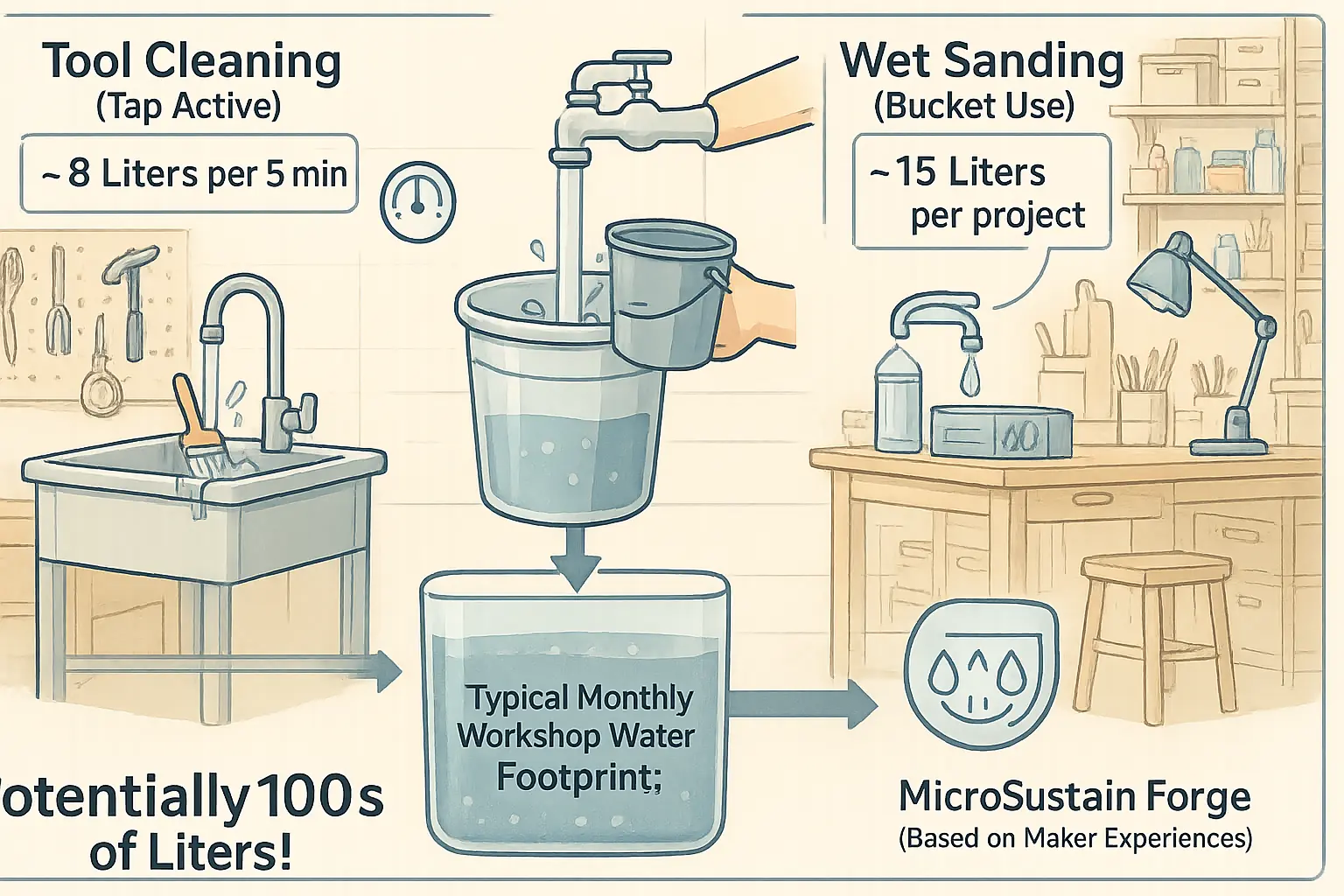
Makers often track sawdust. They monitor plastic scraps. Water consumption, however, frequently slips by unnoticed. Ever thought about how much water your crafting projects actually use? Probably not, right? Even seemingly small amounts of water from workshop tasks accumulate. This cumulative use impacts your utility bills. It also affects our shared environmental resources.
The unspoken truth is this. Water waste isn't solely an industrial scale problem; it quietly happens in our home workshops too. Picture a tap running freely while you clean sticky adhesives off tools. Or consider constantly refilling a large bucket for wet sanding wood. It feels insignificant. That steady drip, however, adds up with surprising speed. Many dedicated makers are only now beginning to recognize this hidden aspect of their resource footprint.
The great news? Our extensive community data mining into maker forums and online discussions reveals numerous clever solutions. These are practical, often non-obvious, ways to significantly reduce water use. Fellow makers, facing the same challenges, shared these effective hacks. Their experiences offer genuine pathways to more sustainable crafting habits for everyone.
Where Does All the Water Go? Identifying Water-Intensive Craft Processes
So, where is the water actually going in your creative space? Some uses are obvious. Others are sneaky. Many makers, for example, just let the tap run while rinsing brushes. They think it is 'just a little.' Imagine that water waste accumulating over a full painting session, or an entire week of crafting projects.
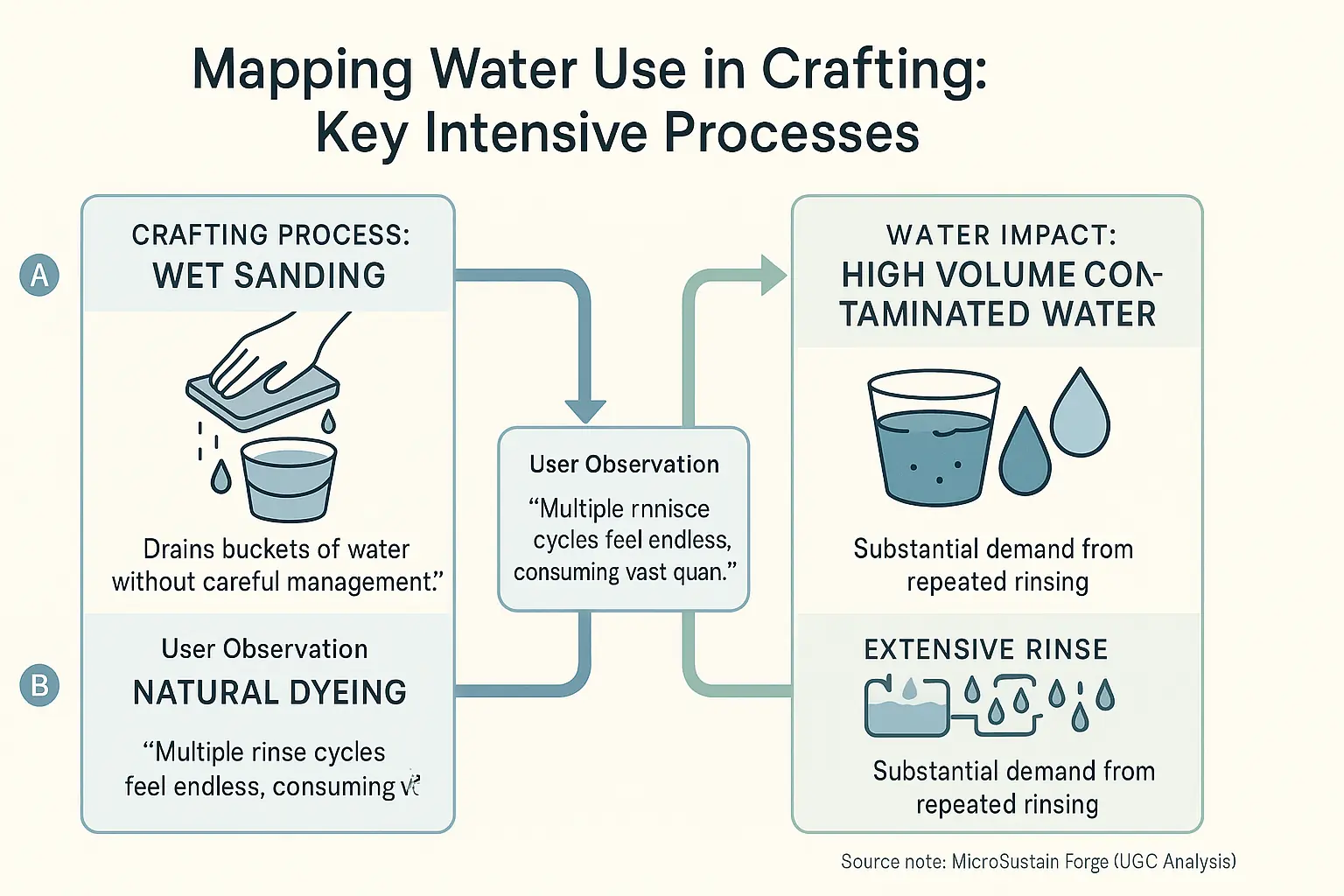
Wet sanding is a classic culprit our analysis of user experiences highlights. This process can drain buckets of water without careful management. Natural dyeing presents another significant water demand. Makers consistently report its multiple rinse cycles feel endless, consuming vast quantities. Tool cleaning, especially for resin molds or paint-caked implements, also contributes substantially to workshop water usage, often more than anticipated.
Recognizing these often-overlooked water drains is the crucial first step. Many crafters underestimate their total water footprint from these activities. Once you see these hidden consumptions, you are halfway to reducing your impact. The community, fortunately, has developed many clever, practical fixes for these exact challenges.
Community-Proven Water-Saving Hacks for Your Workshop
Ready for solutions? Maker communities possess ingenious minds. They devise brilliant, often overlooked strategies for saving water.
- Spray bottles aid wet sanding. Makers report spray bottles deliver precise moisture. This method cuts water use dramatically. One maker shared, "Dust control is better. Water bills are lower."
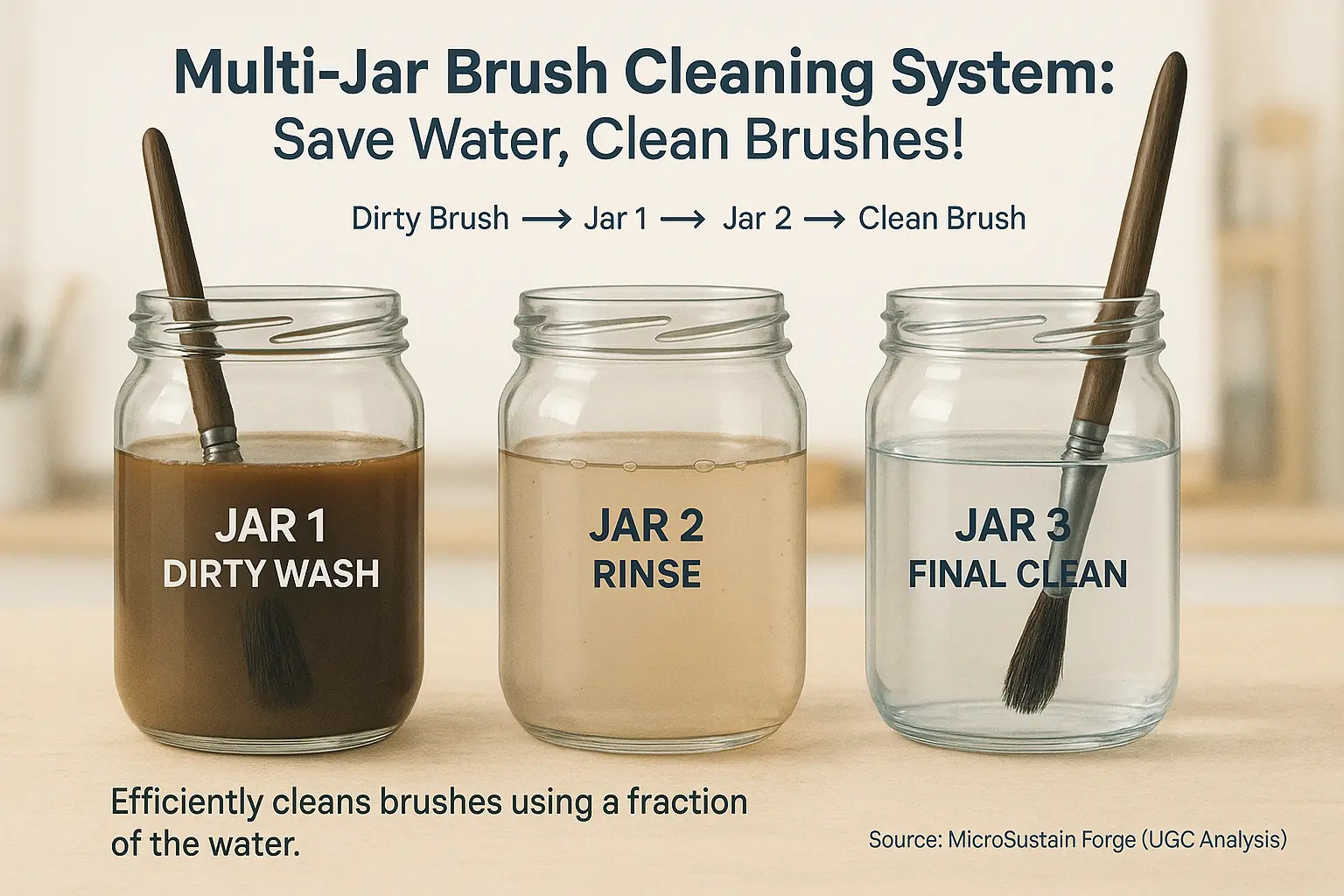
- Multi-jar systems clean brushes efficiently. This classic method uses progressive jars. Dirty water stays separate from cleaner rinses. A painter confirmed, "My brushes get spotless; I use a fraction of the water."
- Repurpose natural dye bath water. Exhausted dye water often retains pigment. Dyers use this for lighter shades or plant watering. A fiber artist asked, "Why dump it when it still has life?"
- Harvest rainwater for workshop tasks. Simple barrels collect free water. This water suits tool rinsing or surface cleaning. A woodworker noted, "Setup is simple; using nature's supply is satisfying."
- Optimize resin tool cleaning. Let resin cure on tools. Then, peel or wipe residue with minimal solvent. This method saves water. It also prevents drain clogs. A resin artist reported, "Messy first, but it saves water and protects drains."
Your Water-Wise Workshop Quiz: How Eco-Conscious Are Your Habits?
How Water-Wise Is Your Workshop?
1. How do you typically clean brushes after water-based paint/dye use?
2. When wet sanding, what's your primary water source?
3. Do you reuse water from natural dyeing baths?
4. How do you manage water from cleaning resin tools/molds?
5. Do you collect rainwater for workshop use?
So, how did you do? Whether you are a seasoned water-saving pro or just starting out, recognizing where precious drops go is the key. Every single step towards less waste is a win for your workshop and the planet.
Remember this. These insights come straight from makers like you — real people solving real, practical problems. Keep experimenting, share your own clever hacks, and let's forge a more water-wise future for crafting, one mindful drop at a time.
Every Drop Counts: Making Your Workshop a Water-Saving Haven
Every drop saved matters. Your workshop choices contribute to a larger, sustainable picture. Perfection is not the aim. Progress drives sustainable making. Conscious choices accumulate, building significant change.
So, use these community-forged insights. Apply them within your own creative space. You become a water-wise maker. Let's keep sharing knowledge. Let's continue learning. Together, we build a sustainable future for all micro-manufacturing.